What Is Double Glazing? Costs, R-Values & Options for NZ Homes
Originally posted on What Is Double Glazing? Costs, R-Values & Options for NZ Homes
Superior Renovations - Auckland’s Trusted Home Renovation Specialists
What Is Double Glazing? How It Works, R-Values and Options for NZ Homes
Quick answer: Double glazing is a window system built around two panes of glass sealed either side of a still-air or argon-filled cavity — an Insulated Glass Unit, or IGU. That sealed cavity acts as a thermal barrier, cutting heat loss, condensation and noise compared with single glazing. It’s one of the most effective upgrades you can make to a cold, condensation-prone Auckland home.
Windows are the weak point in almost every older Auckland home. According to EECA, up to 30% of a home’s heating energy is lost through its windows — which makes them the single biggest source of heat loss in an otherwise well-insulated house. You could be paying to heat your section more than your living room.
If you live in a pre-2008 home — and that’s most of Auckland’s stock, from Grey Lynn villas to 1970s brick-and-tile in Papakura — there’s a good chance your windows are single-glazed. One pane of glass. No air gap. No thermal barrier. Just cold glass sweating condensation onto the sill every winter morning.
Double glazing fixes that. Two panes, a sealed cavity between them, and your windows go from being the biggest heat-loss culprit to a genuine insulating part of the wall. Warmer rooms, less condensation, a quieter home.
But “double glazing” isn’t one product. Glass types, gas fills, spacer materials and frame options all change how a window performs and what it costs. You can retrofit insulated glass units into existing frames, or replace the lot with new joinery. Some combinations clear the updated Building Code comfortably. Others barely scrape through.
We’ve put this together from years of renovation work across Auckland — character bungalows in Ponsonby through to new builds in Hobsonville. It covers what double glazing actually is, how an IGU works, what R-values mean in practice, the 2026 Building Code changes, and how to decide between retrofit and full replacement.
Last updated: June 2026.
How Double Glazing Works — And Why Single Glazing Fails Auckland Homes
Before the specs and the code, it helps to understand what’s actually happening inside a double-glazed window — and why that single pane you’ve been living with costs you money every winter.
What is an Insulated Glass Unit (IGU)?
A double-glazed window is built around an Insulated Glass Unit — two parallel panes of glass separated by a sealed cavity filled with still air or argon gas. A spacer bar runs around the perimeter, bonded to both panes with sealant, creating an airtight pocket that works as a thermal barrier.
That cavity does the heavy lifting. Still air is a poor conductor of heat, so trapping a layer of it between two sheets of glass slows the transfer of heat between inside and out. Argon does it better again — it’s denser than air and conducts even less heat, which is why argon-filled units consistently outperform air-filled ones.
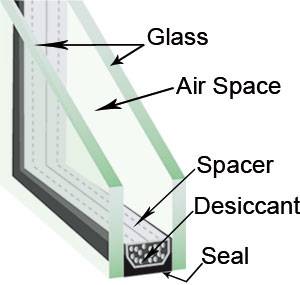
An Insulated Glass Unit (IGU) used in double glazing — two panes of glass with a sealed, insulated cavity between them.
The whole unit — glass, spacer, sealant and gas — is fitted into a window frame. For new double glazing, that frame is made specifically for the IGU. For a retrofit, the IGU goes into your existing frames, provided they’re up to it.
Why single glazing doesn’t cut it
A single pane sits at an R-value of roughly 0.15 to 0.26, depending on the frame. That’s almost nothing. Heat passes straight through it, condensation forms on the cold inner surface, and your heating works overtime trying to keep up.
We see it constantly in older Auckland homes. A client in Mt Eden last year had visible mould around every window frame in the house — all single-glazed aluminium from the early 1990s. The windows were intact, but thermally they were doing next to nothing. Sound familiar?
💡 Quick tip: If your windows fog up with condensation on the inside on winter mornings, that’s a clear sign they’re single-glazed and bleeding heat. Double glazing keeps the inner pane closer to room temperature, so interior condensation all but disappears.
Double glazing vs triple glazing vs secondary glazing
Triple glazing adds a third pane and a second cavity. It’s standard across Scandinavia and parts of Europe with brutal winters, but it’s overkill for Auckland. The cost jump is real and the thermal gain is marginal in our climate.
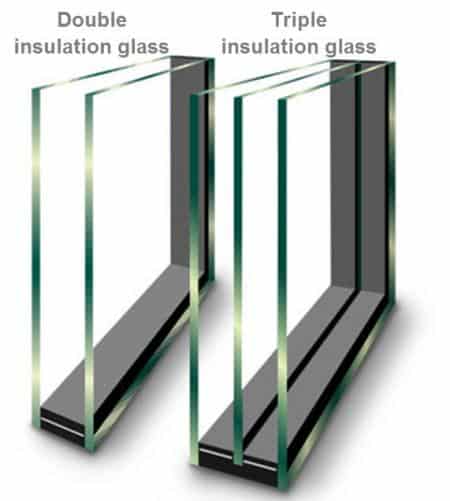
Double glazing (left) uses two panes with one cavity. Triple glazing (right) adds a third pane — effective in extreme climates, but rarely needed in Auckland.
Secondary glazing is the budget alternative — a second pane attached to your existing single-glazed window. There’s no sealed IGU, it’s literally an extra sheet bolted on. It helps a little with draughts and noise, but it won’t stop condensation the way a proper sealed unit does, and the insulation gain is limited. We rarely recommend it unless budget is very tight and the existing frames are sound.
“We had a client in Titirangi who tried secondary glazing first to save money. Within two years they were back wanting proper double glazing — the condensation hadn’t shifted, and the secondary panes were already showing seal failure. It’s one of those jobs where spending a bit more upfront actually costs you less over time.”
— Dorothy Li, Design Manager, Superior Renovations
Five Things That Decide How Well Your Double Glazing Performs
Not all double glazing is equal. The combination of materials you pick decides how warm the window keeps you, how long it lasts, and what you pay. Five factors matter most.
1. Spacer material — the part nobody talks about
The spacer is the strip between the two panes that holds the gap and seals the cavity. It comes in aluminium, stainless steel or polymer foam — and the material matters more than people think.
Aluminium spacers are cheapest and most common. They work, but aluminium conducts heat, creating a thermal bridge at the edge of the glass. That’s the reason you sometimes see condensation creeping around the very edges of a double-glazed window — the spacer is carrying cold from the outer pane to the inner one.
Thermal, or “warm edge”, spacers use foam or composite materials that conduct far less heat. They cut edge condensation and lift overall performance. If the budget stretches, warm-edge spacers are worth it — especially on south-facing windows that never see direct sun.
💡 Quick tip: Ask whoever’s quoting whether they use warm-edge spacers. It’s a small cost that noticeably reduces edge condensation and improves the finished window’s R-value.
2. Glass type — clear, laminated, tinted or Low-E
The panes themselves aren’t all the same.
Clear glass is the standard, cheapest option. Two panes of clear glass over an air cavity already gives you a solid step up from single glazing.
Laminated glass has a resin interlayer bonded between layers. It absorbs UV, dulls noise better than clear glass, and holds together if it shatters — handy for ground-floor windows or homes on busy roads. We often suggest it in spots like Epsom or Remuera where traffic noise is a factor.
Tinted or reflective glass cuts solar heat gain and UV, useful for big north-facing windows that cook in summer — but it also dims natural light, so it’s a trade-off.
Low-E glass (low emissivity) is the performance pick. A microscopically thin metallic coating lets light and warmth in but stops heat escaping back out. Paired with argon, Low-E delivers the best R-values in standard double glazing. According to EECA, a Low-E coating can reduce heat loss by up to a further 30% compared with regular glazing.
Toughened (safety) glass is heat-treated to resist impact and break into small, safer pieces. The Building Code requires it in certain locations — glazing near doors, in bathrooms, and any glass within 500mm of the floor.
3. Air vs argon in the cavity
The cavity is filled with still air or argon. Argon conducts heat noticeably less than air, so less warmth passes through the window.
In practice that’s a measurable R-value gain. An air-filled unit with clear glass and thermally broken aluminium frames sits around R0.31. Swap to argon and Low-E and it climbs toward R0.43. That’s a real difference in how warm a room feels.
Argon is also inert, so it won’t corrode the spacers or break down the sealant the way the oxygen in plain air slowly can. Argon costs a little more upfront, but it lasts longer and performs better.
💡 Quick tip: Some argon leaks naturally from even a well-sealed unit — usually 1–2% a year. A good manufacturer keeps that low. Ask about their seal warranty and argon retention before you sign.
4. Frame material — aluminium, timber or uPVC
Aluminium is the most common frame in New Zealand — strong, light, low-maintenance, cheap. The catch is that aluminium conducts heat brilliantly, which is the last thing you want in a frame. Thermally broken aluminium, where a plastic strip interrupts the metal, fixes that and is now standard on quality installs.
Timber conducts far less heat than bare aluminium, so it has a built-in insulation edge. Timber frames with Low-E argon glazing hit some of the highest R-values going, and they suit character homes — but they need repainting and sealing, and they cost more.
uPVC frames are gaining ground here. They insulate well, don’t corrode, and need almost no upkeep. They run a touch dearer than standard aluminium but sit competitively against thermally broken aluminium.
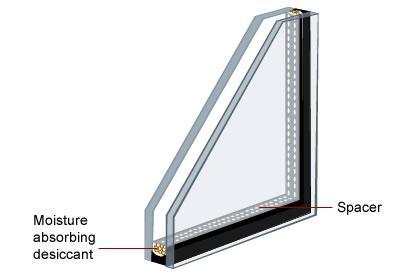
An Insulated Glass Unit showing the spacer between the two panes — its quality directly affects how well the double glazing performs.
5. Installation — the bit that makes or breaks everything
You can spec the best glass, gas and frames going, and a rushed install will undo all of it. Poor fitting leaves gaps, breaks the seal, and lets moisture into the cavity. Once moisture’s in, you get fog between the panes — and the only fix is replacing the whole unit.
That’s why we always use an experienced installer, ideally a Licensed Building Practitioner for anything that touches weathertightness. A badly fitted window can track water into your framing and walls, turning a window upgrade into a much bigger remediation job.
“The glazing unit is only half the equation. We’ve seen jobs where the IGU was excellent but the install was rushed — and inside eighteen months there’s condensation between the panes and water tracking into the wall cavity. Get the install right and good double glazing should run 20 to 30 years without trouble.”
— Alison Yu, Designer, Superior Renovations
R-Values and the 2026 Building Code — What the Numbers Actually Mean
R-value measures how well a window resists heat transfer. Higher R-value, better insulation, less heat escaping. Simple as that.
The trouble is that window R-values swing wildly depending on the mix of glass, gas, spacer and frame. A basic single-glazed aluminium window sits around R0.26. A timber-framed unit with Low-E and argon can reach about R0.53 — more than double the insulating performance.
Indicative R-values for common glazing setups
| Glazing Type | Frame + Glass + Cavity | Indicative R-Value |
|---|---|---|
| Single glazing | Aluminium frame + clear glass | ~0.26 |
| Single glazing | Timber frame + clear glass | ~0.19 |
| Double glazing (IGU) | Thermally broken aluminium + clear glass + air | ~0.31 |
| Double glazing (IGU) | Timber frame + clear glass + air | ~0.36 |
| Double glazing (IGU) | Thermally broken aluminium + Low-E + argon | ~0.43 |
| Double glazing (IGU) | Timber frame + Low-E + argon | ~0.53 |
These figures are indicative — actual performance depends on the exact unit, its size and configuration. Ask your manufacturer for the WEERS rating (the New Zealand window industry’s Window Energy Efficiency Rating System) and the construction R-value for each window in your house lot. Those are the numbers your designer needs for the code calculation.
What changed in the H1 code — and why it matters if you’re renovating
Auckland sits in Climate Zone 1, the mildest of New Zealand’s zones. The bigger shift, though, is in how compliance is now proven.
The sixth edition of H1/AS1 took effect on 27 November 2025, and it removed the Schedule Method entirely — the old lookup table that matched each building element against a minimum R-value. Per Building Performance (MBIE), compliance now runs through the Calculation or Modelling method, which works off the real construction R-value of the whole window — frame and glass together — rather than a default value.
Consent applications lodged before 27 November 2025 can still use the Fifth Edition, and the Fifth Edition stays valid for applications lodged up to 26 November 2026. After that date, only the Sixth Edition can be used to show compliance.
The practical upshot for renovators: standard double glazing no longer ticks the box automatically. The window has to earn its R-value on the numbers. If you’re replacing windows as part of consented work, your new glazing has to meet the current standard — and your designer will run the calculation across the whole thermal envelope, not just swap in a default figure.
Important note: Even if your project doesn’t trigger a building consent, moving to at least thermally broken aluminium with clear double glazing puts you on the right side of the code’s intent — and Low-E with argon gives you comfortable headroom. The detail of the calculation is best left to your designer or an LBP.
For the full breakdown of the calculation method, our group’s architecture practice, Sonder Architecture, keeps a current explainer in its guide to New Zealand insulation rules.
💡 Quick tip: Don’t forget curtains. Heavy thermal drapes that reach the floor with a pelmet on top genuinely add to a window’s performance — a good complement to double glazing, though not a substitute for it.
Retrofit or Replace? How to Decide for Your Auckland Home
This is the question we get asked most. The answer almost always comes down to one thing: the condition of your existing frames.
When retrofit works
Retrofit double glazing slots a custom IGU into your existing frames, which means no new joinery to manufacture — so it typically runs around 30–50% cheaper than full replacement. It works when your frames are sound, square, and deep enough to hold an IGU. In practice that means:
Aluminium frames from the mid-1980s on — generally made to a higher standard, often with enough depth for an IGU. Earlier aluminium joinery tends to be thinner and isn’t suitable.
Timber frames in good nick — particularly the hard native timbers in pre-1950s villas and bungalows around Grey Lynn, Ponsonby and Mt Eden. Rimu or matai frames that have been looked after can still be solid after 80-odd years, and make excellent retrofit candidates.
The retrofit itself involves removing the old glass and beads, fitting the new IGU, installing a drainage system for any moisture, and securing the unit with new colour-matched beads.
When full replacement is the smarter call
If your frames show any of these, retrofit’s off the table:
Joints separating or pulling apart — the first sign aluminium joinery is at the end of its life. Moisture’s usually started tracking into the surrounding structure by then.
Rot or mould in timber frames — common in the softer joinery used from the 1960s on. Once rot’s set in, the frame can’t hold an IGU securely.
Frames skewed or out of square — decades of house movement (Auckland clay soils are notorious for it) can distort a frame so a new IGU won’t seal.
Frames too shallow — older aluminium often lacks the depth in the glazing pocket to take an IGU. Your glazier will measure this on assessment.
“When clients are already mid kitchen or bathroom reno, we always say get the window frames assessed at the same time. If you’re spending $80,000 on a kitchen and the windows are single-glazed on dodgy frames, sort both while the tradies are on site — the disruption’s already happening.”
— Cici Zou, Designer (NZ Dip. Interior Design, Certified Designer), Superior Renovations
💡 Quick tip: Get a professional assessment before you commit either way. A glazier will check the depth, condition and squareness of your joinery and tell you straight whether retrofit’s viable.
Costs move with glass type, gas fill, frame material, access and the number of windows, so the only honest figure is one based on your actual home. You can see an indicative cost for your Auckland home with our calculator, then sense-check it against quotes.
Is Double Glazing Worth It for an Auckland Home?
For most older Auckland homes, yes — but it’s a significant spend, so it pays to go in clear-eyed about both sides.
The upside is real
Less heat loss. This is the big one. EECA puts heat lost through windows at up to 30% of a home’s heating energy, and double glazing brings that down to 20% or less when the rest of the home is well insulated.
Condensation control. Single glazing is a condensation magnet through Auckland’s damp winters, and that moisture feeds mould and rots timber. A warmer inner pane means condensation rarely forms on the glass at all.
Quieter rooms. The sealed cavity dampens outside noise, and laminated glass pushes that further again — a noticeable difference near a busy road in Epsom, under the flight path in Mangere, or beside an active build site in a growing area like Hobsonville.
Better security. Two panes are harder to get through than one, and laminating a pane raises the bar again.
The trade-offs — be honest with yourself
It’s a real upfront cost. Double glazing a whole house is a major line in any renovation budget, and the energy savings pay it back gradually rather than overnight.
Aesthetics on heritage homes. Modern units can look out of place on a villa or bungalow — the profiles are chunkier and the look is contemporary. It matters in character pockets like Parnell, Epsom or Devonport. Timber frames help keep the character, at a price and with upkeep.
Repairs mean replacement. If a seal fails and fog gets between the panes, you replace the whole unit — you can’t reseal it. A well-made, well-installed unit should last 20 to 30 years, but poor manufacture or a rushed install can cut that short.
On the money side, here’s the honest version: EECA doesn’t publish a single dollar saving for double glazing on its own, because the real benefit depends on the rest of your home’s insulation. Anyone quoting an exact payback without modelling your house is guessing. If you’re weighing it up against staying single-glazed, our companion guide on whether the upgrade is worth it runs through the comparison in detail.
💡 Quick tip: You don’t have to do every window at once. EECA suggests starting with the rooms you use most — living areas and bedrooms — and the windows on the coldest side of the house. That’s the biggest comfort gain per dollar.
Double glazing is also one of the highest-impact upgrades to fold into a wider renovation across an Auckland home, or to tackle alongside a recladding project when the building envelope is already open.
Making the Right Call for Your Home
Double glazing is one of those upgrades where the benefit compounds. You feel the warmth straight away. The condensation clears within days. And years down the track, a fully double-glazed home in Auckland holds a clear edge over one still running single-glazed aluminium from the 1990s.
Don’t rush it, though. Get your frames assessed. Understand the R-value differences. Get at least two quotes. And think about how the windows fit your wider plan — doing them alongside a kitchen or bathroom reno is almost always cheaper than as a standalone job.
If you want a rough number to start with, our calculator gives an indicative figure for your home. And if you’re ready to talk specifics, we’ll walk you through the options at a free in-home consultation — whether you’re in Remuera, Henderson or anywhere in between. Our showroom’s at 16B Link Drive, Wairau Valley, if you’d rather see units in person.
➡ Book your free in-home consultation with Superior Renovations
➡ Estimate your double glazing cost in about 60 seconds
➡ Request a free feasibility report for your project
What is double glazing?
Double glazing is a window system using two parallel panes of glass separated by a sealed cavity filled with still air or argon gas. That sealed Insulated Glass Unit (IGU) is fitted into a new or existing window frame and works as a thermal barrier, reducing heat loss, condensation and outside noise compared with single glazing. It's one of the most effective comfort upgrades for older single-glazed Auckland homes.
What is an Insulated Glass Unit (IGU)?
An IGU is the sealed core of a double-glazed window — two panes of glass bonded either side of a spacer bar, with the cavity between them filled with still air or argon gas and sealed airtight. That trapped layer of gas slows heat passing through the window. The IGU is then fitted into an aluminium, timber or uPVC frame, either brand new or, for a retrofit, your existing one.
Is double glazing worth it in Auckland?
For most older single-glazed homes, yes. EECA puts heat lost through windows at up to 30% of a home's heating energy, dropping to 20% or less with double glazing when the rest of the home is well insulated. Beyond warmth, it cuts condensation and mould, dampens noise and improves security. It's a significant upfront cost that pays back gradually, so it suits homeowners staying put or renovating rather than selling immediately.
What R-value does double glazing need under the NZ Building Code?
There's no longer a single schedule figure to hit. The H1/AS1 Sixth Edition, effective 27 November 2025, removed the Schedule Method, so compliance now runs through the Calculation or Modelling method based on the actual construction R-value of the whole window and thermal envelope. Auckland is Climate Zone 1. As a guide, thermally broken aluminium with Low-E and argon sits near R0.43, and timber-framed Low-E argon reaches around R0.53.
Did the 2025 H1 Building Code changes affect double glazing?
Yes. The H1/AS1 Sixth Edition came into effect on 27 November 2025 and removed the Schedule Method entirely. Standard double glazing no longer automatically complies — designers must now use the Calculation or Modelling method, which assesses the real construction R-value of the frame and glass together. Consent applications lodged before that date, and up to 26 November 2026, can still use the Fifth Edition. After that, only the Sixth Edition applies.
Can I retrofit double glazing into my existing window frames?
It depends on the condition and type of your frames. Aluminium joinery from the mid-1980s onwards is often suitable, and well-maintained native-timber frames in pre-1950s villas and bungalows can be excellent candidates. Frames that are skewed, rotting, separating at the joints, or too shallow to hold an IGU can't be retrofitted and need full replacement. A glazier will assess depth, condition and squareness before confirming.
What's the difference between retrofit and new double glazing?
Retrofit fits a new Insulated Glass Unit into your existing frames, so there's no new joinery to manufacture — it typically runs around 30 to 50% cheaper than full replacement. New double glazing replaces both glass and frames entirely. Retrofit needs frames in near-perfect condition, which rules out most pre-1980s Auckland homes, while full replacement gives the best long-term performance and a fresh warranty.
How long does double glazing last?
A quality, well-installed double-glazed window should last 20 to 30 years, and most manufacturers warrant the sealed unit for around 10 to 12 years. Lifespan comes down to the seal quality, the workmanship of the install, and weather exposure. Argon leaks at roughly 1 to 2% a year from a good unit, so performance fades very gradually rather than failing suddenly.
Does double glazing reduce noise?
Yes. The sealed cavity between the panes dampens sound transmission noticeably compared with single glazing, and laminated or acoustic glass increases the effect further. It's especially worthwhile for Auckland homes near busy roads, under flight paths, or beside active building sites. Pairing different pane thicknesses with laminated glass gives the biggest acoustic gain if noise is your main concern.
Do I need building consent to replace windows with double glazing in Auckland?
Usually not for a like-for-like replacement — same opening, same size. Under Schedule 1 of the Building Act 2004, replacing windows and exterior doors in an existing dwelling is generally exempt, provided the original work met durability requirements. If you change the size or position of openings, or the work affects weathertightness, you'll likely need consent from Auckland Council. Building Performance (MBIE) publishes the full exempt-work guidance, and an LBP can confirm for your project.
What is Low-E glass and is it worth the extra cost?
Low-E (low emissivity) glass has a microscopically thin metallic coating that lets light and heat into your home while reducing heat escaping back out. EECA notes it can cut heat loss by up to a further 30% compared with regular glazing, and paired with argon it gives the highest R-values in standard double glazing. It costs more than clear glass but earns it back through comfort and energy savings, especially in homes with large window areas.
Further Resources for your double glazing project
- Featured projects and Client stories to see specifications on some of the projects.
- Real client stories from Auckland
Need more information?
Take advantage of our FREE Complete Home Renovation Guide (48 pages), whether you’re already renovating or in the process of deciding to renovate, it’s not an easy process, this guide which includes a free 100+ point check list – will help you avoid costly mistakes.
Download Free Renovation Guide (PDF)

Have you been putting off getting renovations done?
We have partnered with Q Mastercard ® to provide you an 18 Month Interest-Free Payment Option, you can enjoy your new home now and stress less.
Learn More about Interest-Free Payment Options*
*Lending criteria, fees, terms and conditions apply. Mastercard is a registered trademark and the circles design is a trademark of Mastercard International Incorporated.
Still have questions unanswered?
Book a no-obligation consultation with the team at Superior Renovations,
we’d love to meet you to discuss your renovation ideas!
[contact-form-7]
References
- EECA — Window insulation for home energy efficiency
- Building Performance (MBIE) — H1 Energy Efficiency
- Building Performance (MBIE) — H1/AS1 Sixth Edition
- Building Performance (MBIE) — Exempt building work guidance (Schedule 1)
The post What Is Double Glazing? Costs, R-Values & Options for NZ Homes appeared first on Superior Renovations. #superiorrenovations


Comments
Post a Comment