ANZ Reno Loan NZ: What Auckland Homeowners Need to Know
Originally posted on ANZ Reno Loan NZ: What Auckland Homeowners Need to Know
Superior Renovations - Auckland’s Trusted Home Renovation Specialists
ANZ’s 2.5% Reno Loan: What Auckland Homeowners Need to Know Before Applying
Quick answer: ANZ launched a Reno Loan in March 2026 — a home loan top-up at 2.5% p.a. fixed for 3 years, letting eligible homeowners borrow $3,000–$50,000 to renovate. You need at least 20% equity, an existing ANZ home loan, and the offer is for a limited time only.
⚠️ Important — Please Read First: Superior Renovations is a renovation company, not a financial adviser. Nothing in this article is financial advice. We are not affiliated with ANZ Bank New Zealand and we make no representations on their behalf. All loan details, rates, terms, and conditions described in this article are sourced from ANZ’s public announcements and website as at March 2026 — they are subject to change without notice. Before making any borrowing decision, speak directly with ANZ or a registered financial adviser. ANZ lending criteria, fees, terms, and conditions apply. For ANZ’s full financial advice disclosure, visit anz.co.nz/fapdisclosure.
oppo_0

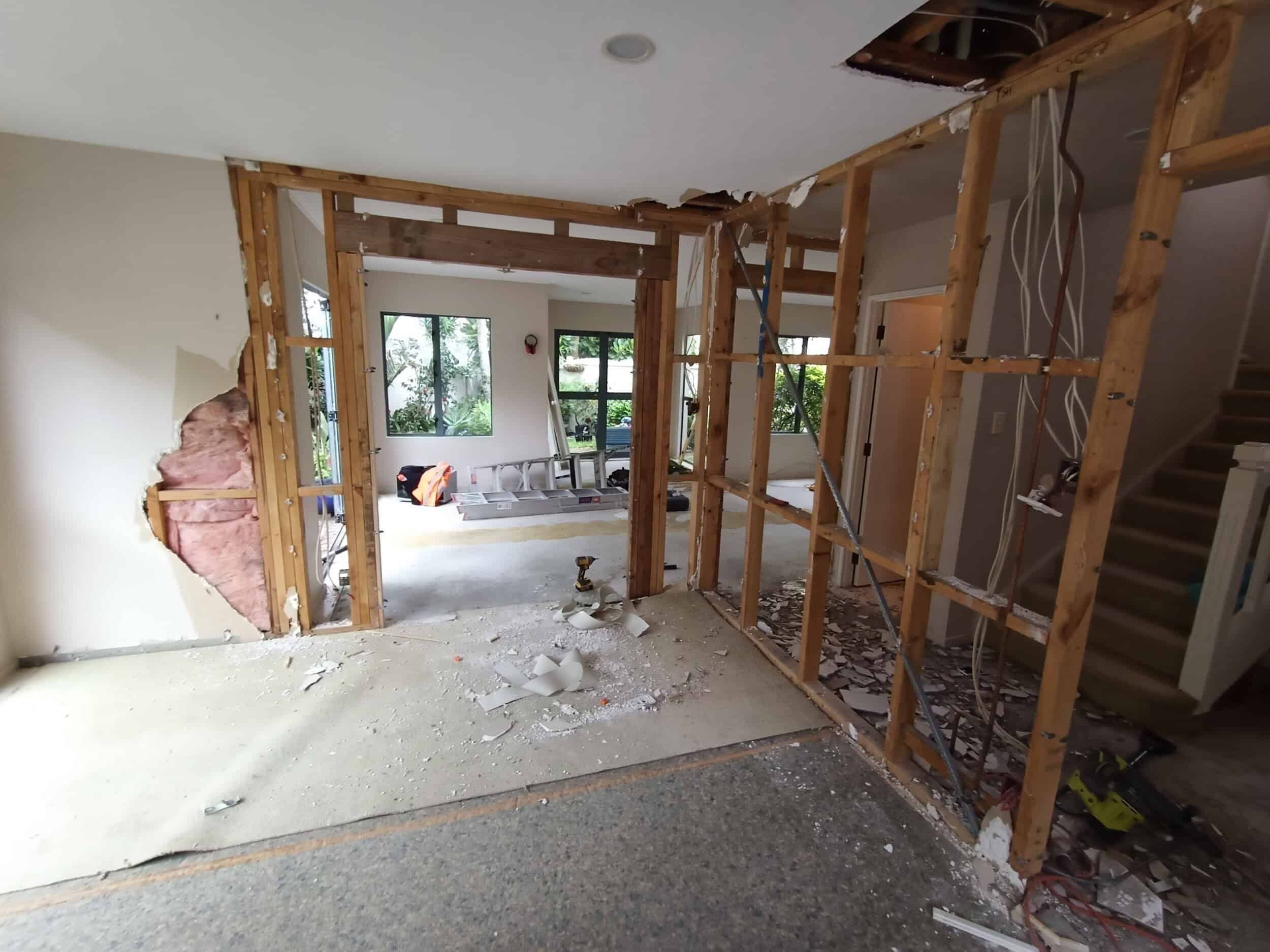
Full House Renovation – Epsom Auckland
A lot of Auckland homeowners are in the same position right now. The renovation has been on the list for two, maybe three years. The bathroom is tired. The kitchen hasn’t been touched since the house was built in the 1990s. But the timing has never felt quite right — interest rates were high, budgets were squeezed, and the whole thing just kept getting pushed back.
That context matters, because ANZ just launched something worth knowing about.
In March 2026, ANZ Bank New Zealand announced a Reno Loan — a home loan top-up at a fixed rate of 2.5% per annum for three years, for eligible borrowers wanting to renovate. The loan is capped at $50,000 and available for a limited time only. It’s not available to everyone and it comes with a specific set of conditions. But for the right homeowner, it closes the gap between wanting to renovate and actually being able to afford it.
At Superior Renovations, we work with Auckland homeowners every week who are trying to figure out how to fund a renovation. We’re not a bank and we’re not financial advisers — but we do understand the renovation side of the equation, and we think it’s worth helping you understand what’s actually available. So here’s a plain-English breakdown of how the ANZ Reno Loan works, who it’s designed for, what the Reserve Bank’s lending rules mean for you, and how the Good Energy Home Loan fits in if you’re also thinking about insulation, double glazing, or a heat pump.
Read this before you call the bank.
What the ANZ Reno Loan Actually Is — And How It Works
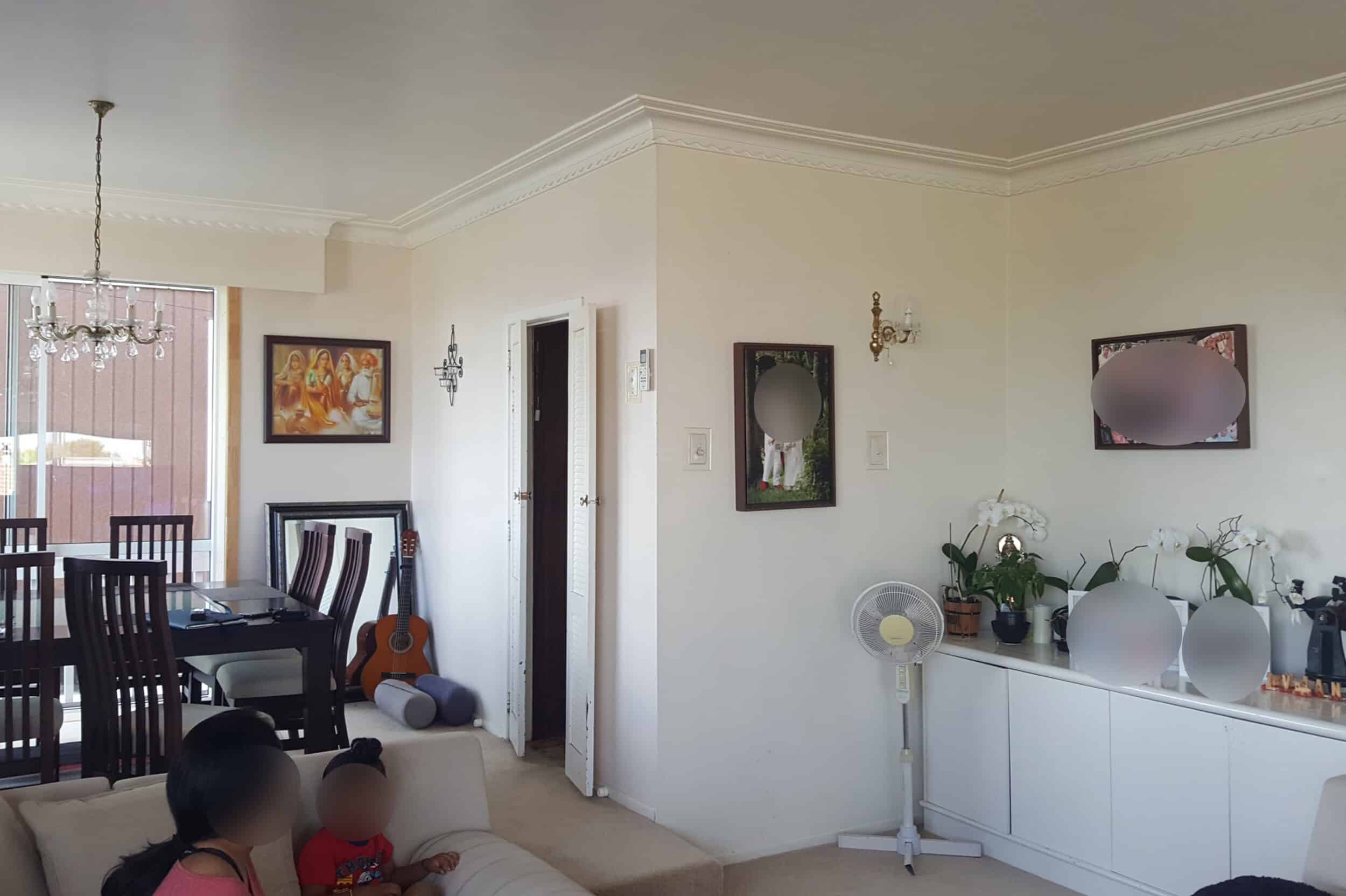
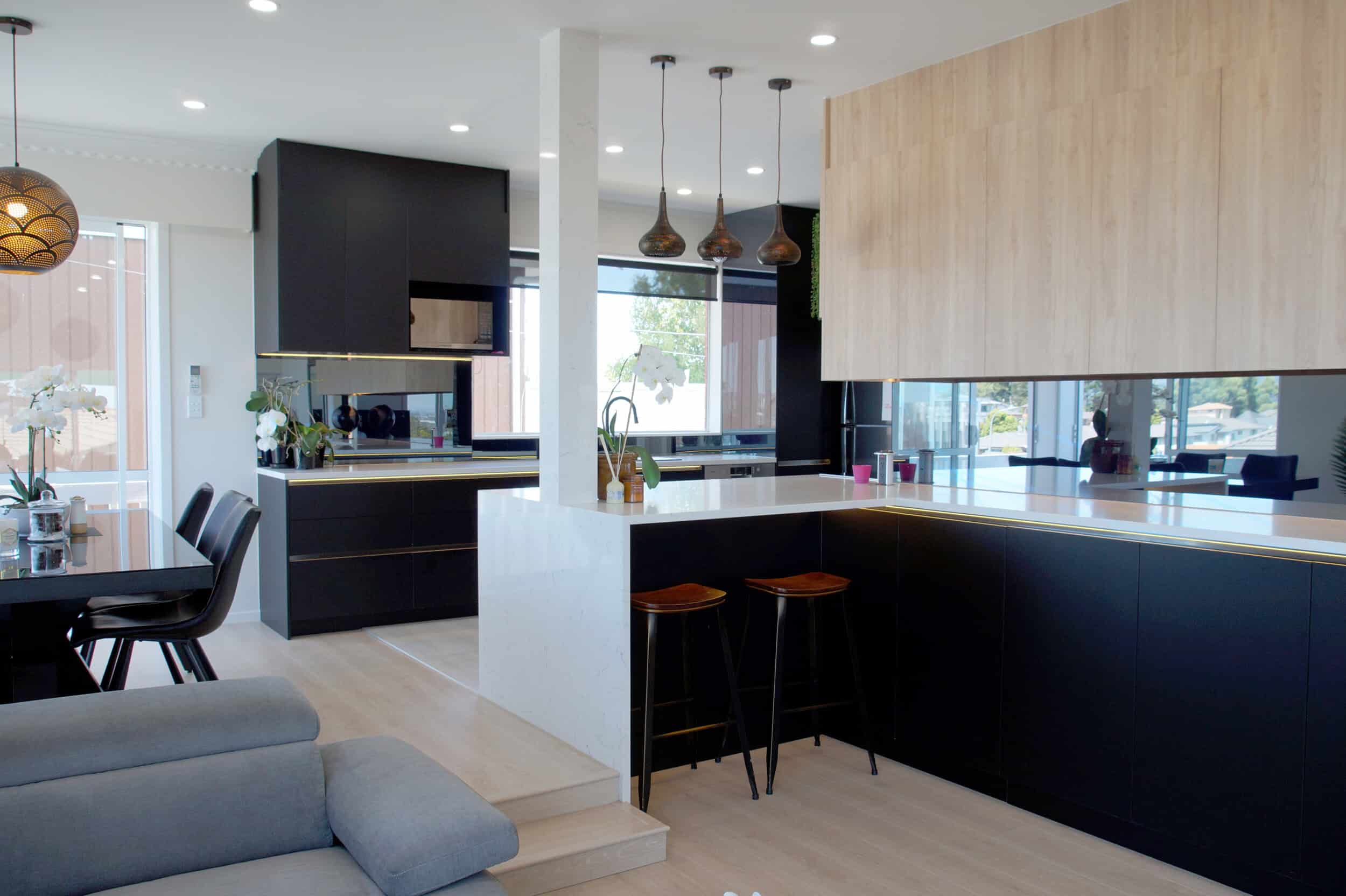
The ANZ Reno Loan is not a standalone personal loan. That’s the first thing to understand. It’s a top-up to your existing ANZ home loan — which means your mortgage is the security, and the renovation borrowing is added on top of it as a separate fixed-rate component.
The rate at launch was 2.5% p.a., fixed for three years. To put that in perspective: at the time of the announcement, ANZ’s standard floating home loan rate was sitting around 6–7%. A 2.5% fixed rate on a $50,000 renovation loan is materially cheaper. ANZ’s own figures suggest a $50,000 loan at 2.5% over three years saves approximately $2,000 in interest compared to the same loan at 5%.
The Key Numbers at a Glance
| Feature | Detail |
|---|---|
| Loan type | Home loan top-up (not a personal loan) |
| Interest rate | 2.5% p.a. fixed (confirm current rate with ANZ) |
| Fixed rate period | 3 years |
| Minimum borrowing | $3,000 |
| Maximum borrowing | $50,000 |
| Equity required (owner-occupier) | Minimum 20% (inclusive of the top-up) |
| Equity required (investment property) | Minimum 30% (inclusive of the top-up) |
| Eligibility requirement | Existing ANZ home loan required |
| Start date for eligibility | Renovations funded from 23 March 2026 onwards |
| Available for | Eligible residential renovations only |
| Not available for | New dwelling construction, business purposes |
| After the fixed period ends | Reverts to ANZ floating rate or can refix |
| Maximum loan term | 30 years (consider renovation life expectancy) |
| Offer duration | Limited time only |
Important note: All figures above are sourced from ANZ’s March 2026 press release and public product pages. Rates, terms, and eligibility criteria are subject to change. Always confirm current details directly with ANZ before applying.
What You Can Use It For
ANZ’s own list of eligible uses covers a wide range of residential renovation work. Bathrooms are the most popular planned renovation according to ANZ’s own customer survey at 38%, followed by painting at 27% and kitchens at 24%. Decks, flooring, windows, roofing, and landscaping are also on the list.
In practical terms, that covers most of what we see Auckland homeowners doing. A mid-range bathroom renovation in Auckland typically runs $26,000–$35,000 — well within the $50,000 cap. A kitchen refresh — new doors, benchtops, and a splashback without moving plumbing — can come in under $30,000. If your renovation budget falls between $10,000 and $50,000, this loan is designed exactly for that range.
What it’s not designed for: full home renovations, house extensions, or anything requiring structural work that pushes costs well past $50,000. For those projects, the top-up amount over $50,000 would be subject to ANZ’s standard rates — so you’d end up with a blended borrowing situation. Worth understanding before you plan your scope of work.
💡 Quick tip: If your renovation is likely to exceed $50,000 — say, a full kitchen and bathroom in the same project — talk to ANZ about how the top-up and standard lending would work together before finalising your budget. Knowing your total borrowing capacity upfront makes the renovation planning conversation much more useful.
Indicative Repayment Examples
These are ANZ’s own indicative figures, published in their March 2026 announcement. They’re fortnightly repayments on a 3-year loan term, and they would be in addition to your existing home loan repayments.
| Loan Amount | Example Use | Fortnightly Repayment (indicative) |
|---|---|---|
| $5,000 | Carpet refresh or landscaping | ~$67 |
| $10,000 | Repainting your home | ~$133 |
| $30,000 | Roof replacement or bathroom reno | ~$399 |
| $50,000 | Full kitchen renovation | ~$666 |
Source: ANZ NZ press release, 22 March 2026. Repayments are indicative only, based on a 2.5% p.a. rate over a 3-year term. Additional to existing home loan repayments. Use ANZ’s repayment calculator for your specific scenario.
How to Apply
If you’re an existing ANZ home loan customer, the application is handled through ANZ’s goMoney app (select Apply → Home loan top-up) or via ANZ Internet Banking. You can also speak to an ANZ Home Loan Coach to walk through your situation. The process starts with confirming your current equity position — which is the first thing ANZ will assess.
Who This Loan Is For — And Who It Isn’t
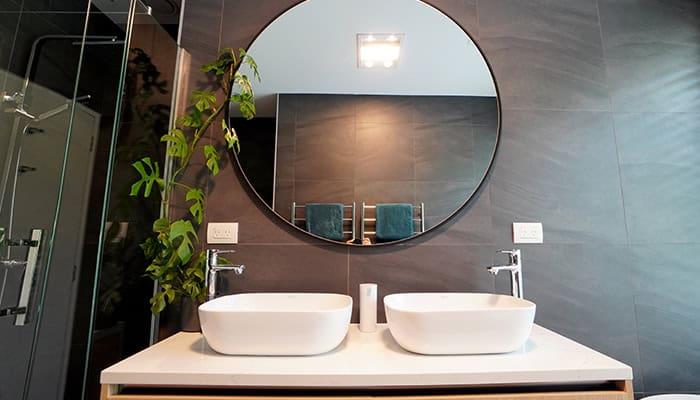
This is worth being direct about. The ANZ Reno Loan isn’t for everyone — and understanding where it fits (and where it doesn’t) will save you time.
The Loan Is Well-Suited For
Existing ANZ home loan customers with solid equity. If you’ve been paying your mortgage for a few years and your property has held its value — which most Auckland homes have, despite the post-2021 correction — you likely have more equity than you think. A home bought in 2018 or 2019 in suburbs like Hillsborough, Henderson, or Papakura has generally retained equity even after the market peaked and pulled back.
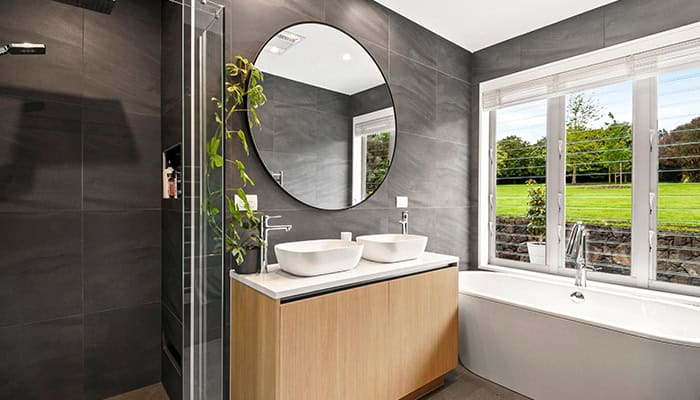
Mid-range single-room renovations. Bathroom and kitchen renovations in the $20,000–$50,000 range are the sweet spot here. That’s a real bathroom renovation — not a cosmetic freshen-up, but new tiling, a new vanity, shower replacement, proper waterproofing, the works. At $399 a fortnight for a $30,000 loan, the repayment is manageable for most dual-income households.
Homeowners who’ve been waiting on cost. ANZ’s own survey found that 76% of those planning to renovate but waiting longer than six months cited cost as the main reason. If that’s you, and the project is a genuine renovation (not a new build), this loan addresses exactly that barrier.
Those combining it with energy upgrades. ANZ’s announcement specifically flagged that the Reno Loan can be combined with their Good Energy Home Loan. If your renovation includes insulation, double glazing, or a heat pump — all of which are common in Auckland’s leaky or poorly insulated 1990s housing stock — using both products together could make financial sense. More on this in the next section.
The Loan Is Less Suited For
Homeowners not already with ANZ. This is a top-up to an existing ANZ home loan. If your mortgage is with another bank, you’d need to refinance to ANZ first — a significant step with its own costs, timing, and considerations. That may or may not be worth it depending on your current rate and remaining fixed term.
Projects over $50,000. A full bathroom plus kitchen in the same scope — or any renovation that includes structural changes, room additions, or substantial builder time — will often push past $50,000. The Reno Loan covers the first $50,000; anything above reverts to standard ANZ lending terms and rates. Worth factoring in early.
House extensions and new builds. ANZ is explicit: the loan excludes construction of new dwellings. If you’re thinking about a house extension — adding a room, going up a level, converting a garage — that’s a different product conversation entirely. Our house extensions service can help you understand the scope, and from there your bank or mortgage adviser can advise on the right finance structure for that type of project.
Equity-light homeowners. If you bought recently with a small deposit or in a suburb where values have softened, your equity position may be tight. Remember: the 20% equity requirement is inclusive of the new top-up amount. So if you currently sit at 22–23% equity, adding a $50,000 top-up might push you below the threshold.
“Before any client starts talking numbers with a bank, I always want to know three things: what’s the property actually worth right now, what’s still owing on the mortgage, and what’s the renovation meant to achieve? Those three answers shape every conversation about finance — and they shape the design brief too. There’s no point designing to a $60,000 scope if the available equity only supports $35,000.”
— Dorothy Li, Design Manager, Superior Renovations
A Simple Eligibility Flowchart
| Question | Yes → Next Step | No → Outcome |
|---|---|---|
| Do you have an existing ANZ home loan? | Move to next question | Not eligible — consider refinancing to ANZ or exploring other options |
| Do you have at least 20% equity (after adding the top-up)? | Move to next question | Not eligible — may need to build equity first or reduce loan amount |
| Is your renovation eligible (not a new build or business purpose)? | Move to next question | Not eligible — speak to ANZ about alternative lending options |
| Was it funded on or after 23 March 2026? | Move to next question | Not eligible — renovations funded before 23 March 2026 are excluded |
| Is your borrowing amount $3,000–$50,000? | You may be eligible — speak to ANZ to apply | Amounts over $50,000 are subject to standard ANZ rates for the excess |
Important note: The flowchart above is a general guide only and does not constitute financial advice. ANZ applies their own full credit assessment and lending criteria to all applications. Meeting these basic criteria does not guarantee approval.
The Good Energy Home Loan — ANZ’s 1% Green Renovation Option
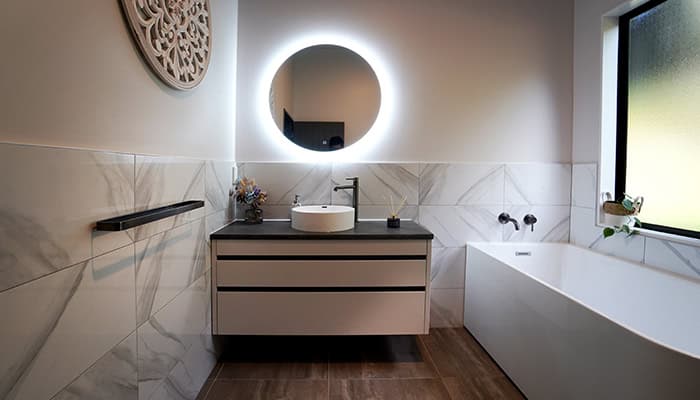
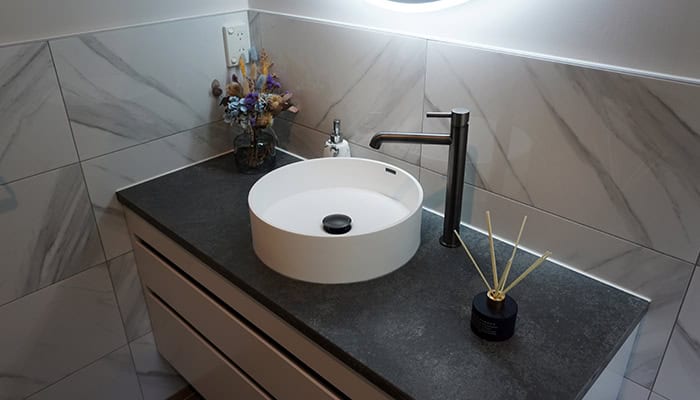
If your renovation plans include anything energy-related — insulation, double glazing, a heat pump, a ventilation system, solar panels — there’s a second ANZ product worth knowing about. It’s even cheaper than the Reno Loan.
The ANZ Good Energy Home Loan is a separate top-up, also fixed for 3 years, but at 1% p.a. It allows eligible borrowers to access up to $80,000 for energy efficiency upgrades to their home. The same 20% equity requirement applies.
What the Good Energy Home Loan Covers
| Eligible Use | Examples |
|---|---|
| Solar panels and batteries | Must be from a SEANZ-member installer |
| Heating systems | Heat pumps, hot water heat pumps |
| Insulation and ventilation | Ceiling, underfloor, wall insulation; HRV/DVS systems |
| Double glazing | Replacing single-glazed windows |
| Rainwater collection | Rainwater storage tanks |
| Electric and hybrid vehicles | EV, PHEV, e-bikes, EV chargers |
Why does this matter to renovation planning? Because a lot of Auckland’s older housing stock — the villas in Grey Lynn, the brick-and-tile in Henderson, the 1990s fibrous cement in Albany — is genuinely under-insulated and single-glazed. If your bathroom renovation is happening in a home like that, it’s worth asking whether the opportunity to also upgrade the windows or top up the ceiling insulation is worth doing at the same time. At 1% over three years, the cost of borrowing to do it is very low.
ANZ’s March 2026 press release specifically flagged the opportunity to combine both products. Grant Knuckey, ANZ’s Managing Director for Personal Banking, noted that projects like windows, insulation, and solar — which commonly appear on renovation lists — can also attract the Good Energy rate, creating the potential for meaningful savings on the combined borrowing.
💡 Quick tip: If your bathroom or kitchen renovation is happening in a home with single-glazed windows or no underfloor insulation, ask ANZ about structuring part of your borrowing under the Good Energy Home Loan. You’d end up with two separate top-up components — one at 2.5% for the renovation work, one at 1% for the energy efficiency upgrades — both fixed for three years. Talk to ANZ directly about whether this structure is right for your situation.
One thing to be aware of: the Good Energy Home Loan has specific drawdown conditions. For solar panels and batteries, ANZ requires a quote and confirmed installation date from a SEANZ-member installer before drawing down the loan. For electric vehicles, a purchase agreement from a registered motor vehicle dealer is required. These aren’t obstacles — just paperwork to have sorted before you expect the funds.
RBNZ Lending Rules: What the Reserve Bank’s Regulations Actually Mean for Your Reno Loan
The ANZ Reno Loan doesn’t exist in a vacuum. It operates within the Reserve Bank of New Zealand’s (RBNZ) lending framework. Understanding that framework — even at a high level — helps you know whether you’re likely to qualify before you even pick up the phone.
Important note: The following is a plain-English summary of RBNZ lending rules as at early 2026, based on publicly available RBNZ guidance. Lending rules change — sometimes frequently. This is general information only, not financial or legal advice. Always check current RBNZ policy at rbnz.govt.nz and speak with ANZ or a registered mortgage adviser about your specific situation.
Loan-to-Value Ratio (LVR) Rules
The RBNZ sets rules called Loan-to-Value Ratio (LVR) restrictions. These determine the maximum amount banks can lend relative to a property’s value — and how much of their total lending can go to borrowers with smaller deposits or less equity.
LVR is calculated simply: divide your loan balance by your property’s current value. A $600,000 mortgage on a $1,000,000 home = 60% LVR. The lower the LVR, the more equity you have, and the less risk the bank takes on.
| Borrower Type | RBNZ High-LVR Threshold | What This Means |
|---|---|---|
| Owner-occupier | Above 80% LVR | You need at least 20% equity. Banks can lend up to 25% of new owner-occupier loans above this threshold. |
| Residential investor | Above 70% LVR | You need at least 30% equity. Banks can lend up to 10% of new investor loans above this threshold. |
For the ANZ Reno Loan specifically, the equity requirement — 20% for owner-occupiers, 30% for investment properties — is set by ANZ and must be maintained inclusive of the new top-up amount. This means your LVR after adding the renovation loan must still sit at or below the threshold. It’s not a matter of having 20% equity before the loan — it’s 20% equity after.
A worked example: Your Auckland home is currently valued at $1,200,000. Your remaining mortgage is $840,000 — that’s a 70% LVR. You want $50,000 for a kitchen renovation. Adding $50,000 brings your total debt to $890,000 — an LVR of 74%. You’re still well under 80%, so the equity requirement is met (assuming ANZ’s credit assessment passes). If your current LVR was 78%, a $50,000 top-up would push you to approximately 82% — above the threshold, and you’d need a different conversation with the bank.
Debt-to-Income (DTI) Rules — The Other RBNZ Lever
From 1 July 2024, the RBNZ also introduced Debt-to-Income (DTI) restrictions alongside the LVR rules. For owner-occupiers, a loan is classified as high-DTI if total debt exceeds 6 times annual gross income. For investors, the threshold is lower.
Banks must limit the share of new lending that goes to high-DTI borrowers — currently no more than 20% of new owner-occupier lending can have a DTI above 6. In practice, this means that even if your equity is healthy, your income-to-debt ratio matters too. If your household earns $130,000 per year and carries $800,000 in total debt, you’re already at a DTI of 6.15 — adding $50,000 pushes that to 6.54. Whether ANZ can approve the loan within their DTI allocation is a question for them.
💡 Quick tip: Don’t assume that having sufficient equity automatically means you’ll qualify. Banks apply both LVR and DTI rules, plus their own internal credit criteria on top of the RBNZ minimums. If you have any uncertainty about your borrowing capacity, speak with a registered mortgage adviser before approaching the bank — they can give you a realistic picture before you formally apply.
What the Current Rules Mean in Plain English
| Rule | What It Is | Key Number (owner-occupier) | Why It Matters for Reno Lending |
|---|---|---|---|
| LVR restriction | Loan vs property value | Max 80% LVR | You need 20%+ equity after the top-up is added |
| DTI restriction | Total debt vs annual income | Max 6x income (high-DTI) | Adding renovation debt may push some households into high-DTI territory |
| Bank’s own criteria | Internal credit policy | Varies by bank | Banks can apply stricter standards than the RBNZ minimum |
One important note from the Reserve Bank of New Zealand’s LVR guidance: if you already have a mortgage, LVR restrictions don’t apply retrospectively to your existing loan — but they do apply to any top-up that takes your total LVR above the threshold. That’s the situation most renovation borrowers are in.
Why the Market Is Moving Now
ANZ’s senior economist Matthew Galt noted in the March 2026 announcement that renovation activity has proven more stable than other parts of the property market — even as home sales fell up to 40% from their peak in 2021. Stats NZ data shows the value of building consents for residential alterations and additions reached $2.23 billion in the year ended January 2026, up from a low of $2.17 billion in June 2025. Google searches for renovation-related terms like “builders”, “joinery”, and “deck” have spiked over the past year. It’s early, but the direction is clear.
For homeowners who’ve been sitting on renovation plans while waiting for the right moment — falling interest rates, more settled household finances — that moment is arriving.
How Renovation Finance Fits Into Your Broader Renovation Planning
Superior Renovations
Getting the finance sorted is one piece of the puzzle. It’s an important piece. But the more common mistake we see isn’t choosing the wrong finance product — it’s approaching the bank before having a clear renovation scope, and not knowing what the project will actually cost.
Here’s how those two things interact.
Know Your Renovation Cost Before You Go to the Bank
Banks lend based on your equity and income, not your renovation scope. They don’t know if $50,000 is the right number for your kitchen or whether it’ll run to $65,000. That’s your job to figure out — before you borrow. Going to ANZ and asking for $50,000 when the actual project will cost $72,000 means you’ll be short by $22,000 at exactly the wrong moment — when the kitchen is half-done and the trades are already on site.
The way to avoid that: get a real estimate first. Our kitchen renovation cost calculator and bathroom renovation cost calculator give Auckland homeowners a realistic ballpark based on size, finish level, and scope — before they’ve spoken to anyone. Use those figures as a starting point when you’re thinking about how much to borrow.
“The clients who have the smoothest renovation experience are the ones who arrive with a clear budget in mind — not a vague wish list. When someone says ‘we have $40,000 confirmed and want to see what we can do with it,’ we can design to that constraint from day one. When someone says ‘we want a luxury kitchen, what does it cost?’ — that’s a much longer conversation, and the finance planning hasn’t really started yet.”
— Alison Yu, Designer, Superior Renovations
What a Mid-Range Auckland Renovation Actually Costs
For context — so you can sense-check whether the ANZ Reno Loan covers your project:
| Renovation Type | Mid-Range Cost (Auckland) | Full Overhaul | Fits Within $50,000 Cap? |
|---|---|---|---|
| Bathroom renovation | $26,000–$35,000 | $40,000–$60,000+ | Mid-range: yes. Full overhaul: sometimes. |
| Kitchen renovation | $26,000–$35,000 | $62,000–$138,000+ | Mid-range: yes. Premium/large: no. |
| Roof replacement | $20,000–$40,000 | $50,000+ (large homes) | Most standard homes: yes. |
| Double glazing (full home) | $15,000–$40,000 | $50,000+ (older villas) | Typically yes — may suit Good Energy Loan |
| Full home renovation | $80,000–$160,000 | $160,000–$450,000+ | No — different finance structure required |
Cost ranges are for Auckland and represent Superior Renovations’ own pricing context as at 2025/2026. They are indicative only — project-specific pricing requires a detailed consultation. Labour rate: approximately $90–$120/hr. Use our renovation cost calculators for a more tailored estimate.
Building Consent — Don’t Forget This Step
ANZ flags it in their loan terms: you’ll need to obtain any required building consents from your local council to make sure your insurance cover is not affected. This is not just a technicality. Work done without consent on a renovation can create problems when you sell the property, and can void your home insurance if something goes wrong during or after the build.
Most cosmetic renovations — repainting, recarpeting, replacing fixtures like a vanity or tapware — don’t require a consent. But structural work, plumbing relocation, bathroom additions, or anything involving weatherproofing typically does. In Auckland, that means a building consent from Auckland Council. Our team handles this as part of the renovation process — but it’s worth understanding the distinction before you scope your project, because it can affect both timeline and cost.
More information on consent requirements is available at building.govt.nz.
💡 Quick tip: If you’re applying for the ANZ Reno Loan and the renovation requires a consent, have the consent application in progress before expecting to draw down the funds. Consents take time — Auckland Council’s standard timeframe is 20 working days, though complex projects take longer. Build that into your project timeline.
Other Finance Options Worth Knowing About
The ANZ Reno Loan isn’t the only path. Depending on your situation, these alternatives may be relevant:
| Option | How It Works | Best Suited For |
|---|---|---|
| ANZ Reno Loan | 2.5% p.a. fixed 3-year top-up, up to $50,000 | ANZ customers, mid-range single renovations |
| ANZ Good Energy Home Loan | 1% p.a. fixed 3-year top-up, up to $80,000 | Energy efficiency upgrades alongside renovation |
| Home loan top-up (standard) | Top up at standard home loan rates | Larger renovations, any bank |
| Q Mastercard (via SR) | 18 months interest-free on purchases over $20,000 | SR clients wanting short-term interest-free flexibility |
| Personal loan | Unsecured, typically higher rates | Smaller projects where a home loan top-up isn’t practical |
At Superior Renovations, we offer 18 months interest-free financing via Q Mastercard for renovation projects over $20,000. This is a separate product from bank lending and may suit homeowners who want flexibility without tying into their mortgage. It’s not a substitute for the ANZ Reno Loan — they serve different purposes — but it’s worth knowing both exist. Lending criteria, fees, terms and conditions apply.
Your Next Steps — What to Do With This Information
If you’ve read this far, you’re probably in one of three places.
You’re eligible and keen to get moving. In that case: confirm your equity position with ANZ, get a renovation cost estimate from us, and apply through the goMoney app or ANZ Internet Banking. The offer is limited time, so there’s no value in waiting if you’re ready.
You’re not sure if you qualify. The first thing to do is work out your current LVR — your property value minus your mortgage balance, divided by the property value. If you’re around 70–75%, a $30,000–$50,000 top-up should keep you within the 80% threshold. If you’re closer to 78–79%, do the maths carefully before applying.
You’re not an ANZ customer. Refinancing your mortgage is a serious financial decision with costs and implications that go well beyond a renovation loan. If the Reno Loan rate is attractive enough to justify considering a switch, get independent advice from a mortgage broker first. The savings on a $50,000 renovation loan over three years need to stack up against any break costs on your current fixed term and any fees involved in refinancing.
Whatever stage you’re at, if you want to understand what your renovation will actually cost — before you talk to the bank — we can help with that.
➡ Book your free in-home consultation with Superior Renovations
➡ Use our renovation cost calculators to estimate your project cost
➡ Request a free feasibility report for your renovation project
What is the ANZ Reno Loan?
The ANZ Reno Loan is a home loan top-up that lets eligible ANZ home loan customers borrow $3,000–$50,000 for residential renovations at a special fixed rate of 2.5% per annum for 3 years (as at March 2026). It can be used for bathrooms, kitchens, roofing, flooring, outdoor improvements, and more. It is not a personal loan — it is secured against your home. ANZ lending criteria, terms, conditions, and fees apply.
Who is eligible for the ANZ Reno Loan?
To be eligible, you need an existing ANZ home loan, at least 20% equity in your property (inclusive of the top-up amount — 30% for investment properties), and a renovation that qualifies as an eligible residential renovation. Renovations funded before 23 March 2026 are not eligible. The offer is available for a limited time only. Standard ANZ credit assessment and lending criteria apply.
How much can I borrow with the ANZ Reno Loan?
You can borrow between $3,000 and $50,000. The loan is a top-up to your existing ANZ home loan. If your renovation costs more than $50,000, the amount above $50,000 would be subject to ANZ's standard interest rates and terms. For a full kitchen or bathroom renovation in Auckland, mid-range projects typically run $26,000–$35,000, which sits within the cap.
What is the ANZ Good Energy Home Loan and how is it different?
The ANZ Good Energy Home Loan is a separate top-up product for energy efficiency upgrades — solar panels, heat pumps, insulation, double glazing, ventilation, and electric vehicles. It is available at 1% per annum fixed for 3 years, up to $80,000. Unlike the Reno Loan (2.5%), the Good Energy Loan is specifically for eligible energy-saving upgrades. Both products require an existing ANZ home loan and 20% equity. They can potentially be used together for renovations that include both general renovation work and energy upgrades.
What equity do I need for the ANZ Reno Loan?
For an owner-occupied property, ANZ requires a minimum of 20% equity inclusive of the top-up amount. For a residential investment property, the minimum equity requirement is 30%. This means your Loan-to-Value Ratio (LVR) after adding the renovation loan must remain at or below 80% (owner-occupier) or 70% (investor). The RBNZ sets these as the thresholds for high-LVR lending.
What are LVR restrictions and do they affect my renovation loan?
LVR (Loan-to-Value Ratio) restrictions are rules set by the Reserve Bank of New Zealand that limit how much banks can lend relative to a property's value. For owner-occupiers, loans above 80% LVR are considered high-LVR. Banks can make up to 25% of their new owner-occupier lending at high-LVR. If your existing mortgage plus the renovation top-up exceeds 80% of your home's value, your application may be restricted. Check rbnz.govt.nz for current LVR settings.
What are Debt-to-Income (DTI) restrictions in New Zealand?
DTI restrictions, introduced by the RBNZ from 1 July 2024, limit the amount banks can lend to borrowers with high debt relative to income. For owner-occupiers, a high-DTI loan is one where total debt exceeds 6 times annual gross income. Banks can direct no more than 20% of new owner-occupier lending to high-DTI borrowers. Adding renovation borrowing can push some households into high-DTI territory, which may affect approval. Speak with ANZ or a mortgage adviser about how DTI rules apply to your situation.
Can I use the ANZ Reno Loan if I'm not already with ANZ?
The ANZ Reno Loan is only available as a top-up to an existing ANZ home loan. If your mortgage is with another bank, you would need to refinance to ANZ first. Refinancing involves costs and implications beyond the renovation loan itself — break fees on existing fixed-rate loans, legal fees, and time. Whether refinancing makes financial sense depends on your current rate and remaining fixed term. Seek independent advice from a mortgage broker before deciding.
Does the ANZ Reno Loan cover house extensions?
No. The ANZ Reno Loan excludes construction of new dwellings and is not designed for large-scale additions. House extensions in Auckland typically cost $2,000–$5,500 per m² for a single-storey addition, often exceeding $50,000. If you are considering a house extension, a standard home loan top-up at your bank — or a construction loan — would be more appropriate. See our house extensions page at superiorrenovations.co.nz/house-extensions-auckland/ for more information on the process.
Do I need a building consent to use the ANZ Reno Loan?
ANZ's loan terms require that you obtain any required consents from your local council to protect your insurance cover. Whether a consent is needed depends on the scope of work. Cosmetic changes — painting, carpet, replacing tapware — generally don't require a consent. Structural changes, plumbing relocation, bathroom additions, and anything affecting weatherproofing typically do. In Auckland, consents are issued by Auckland Council and typically take 20 working days for straightforward projects. Check building.govt.nz for guidance.
What happens to the ANZ Reno Loan after the 3-year fixed period?
When the 3-year fixed rate period ends, the loan does not automatically disappear. You can choose to refix at one of ANZ's Special fixed interest rates (if eligible) or Standard fixed interest rates, or the loan will move onto ANZ's floating rate. The floating rate is typically significantly higher than the special 2.5% introductory rate. Plan for this in your budgeting — factor in what the repayments will look like at a higher rate from year four onwards.
Can Superior Renovations help me plan a renovation to fit within the ANZ Reno Loan limit?
Yes. We work with Auckland homeowners regularly to scope renovations to a defined budget. Our kitchen and bathroom cost calculators at superiorrenovations.co.nz/tools/ give you a ballpark figure before you speak to a bank. If you want a more precise estimate, a free in-home consultation with our team can help you understand exactly what is achievable within your budget. We are not affiliated with ANZ and do not provide financial advice.
Further Resources for your renovation finance planning
- Featured projects and client stories to see specifications on some of our completed renovations.
- Real client stories from Auckland homeowners who have renovated with us.
- Superior Renovations finance options — including our 18-month interest-free Q Mastercard option.
- RBNZ LVR restrictions guidance — the authoritative source on lending rules from the Reserve Bank of New Zealand.
- ANZ Reno Loan product page — current rate, terms, and application details directly from ANZ.
Need more information?
Take advantage of our FREE Complete Home Renovation Guide (48 pages), whether you’re already renovating or in the process of deciding to renovate, it’s not an easy process, this guide which includes a free 100+ point check list – will help you avoid costly mistakes.
Download Free Renovation Guide (PDF)
Still have questions unanswered?
Book a no-obligation consultation with the team at Superior Renovations,
we’d love to meet you to discuss your renovation ideas!
[contact-form-7]
Or call us on 0800 199 888
Have you been putting off getting renovations done?
We have partnered with Q Mastercard ® to provide you an 18 Month Interest-Free Payment Option, you can enjoy your new home now and stress less.
Learn More about Interest-Free Payment Options*
*Lending criteria, fees, terms and conditions apply. Mastercard is a registered trademark and the circles design is a trademark of Mastercard International Incorporated.
The post ANZ Reno Loan NZ: What Auckland Homeowners Need to Know appeared first on Superior Renovations. #superiorrenovations


Comments
Post a Comment