Common Bathroom Renovation Mistakes NZ | 2026 Guide
Originally posted on Common Bathroom Renovation Mistakes NZ | 2026 Guide
Superior Renovations - Auckland’s Trusted Home Renovation Specialists
Quick answer: The most common bathroom renovation mistakes in NZ include underestimating costs (Auckland mid-range sits at $25,000–$35,000, not the $10,000 many expect), skipping building consent, cutting corners on waterproofing, poor ventilation planning, and choosing materials based on looks rather than performance in our humid climate.
A bathroom renovation should be one of the best investments you make in your Auckland home. When it goes right, you get a space that works better, feels better, and adds genuine value to your property.
When it goes wrong? You get mould behind new tiles, a $15,000 budget that blows out to $25,000, or a call from Auckland Council asking why nobody applied for consent before the plumber moved that waste pipe.
We’ve been renovating bathrooms across Auckland since 2017 — from tired ensuites in Grey Lynn villas to family bathrooms in Flat Bush new builds. We’ve seen every version of “I wish I’d known that before we started.” The patterns are remarkably consistent. The same mistakes keep showing up, project after project, suburb after suburb. And nearly all of them are avoidable with straightforward planning.
This isn’t a list of vague warnings. Every mistake below comes with the real cost of getting it wrong, the NZ-specific rule or standard that applies, and the specific fix. Whether you’re planning a quick $9,000 refresh or a $45,000+ custom wet room, these are the things worth knowing before demo day.
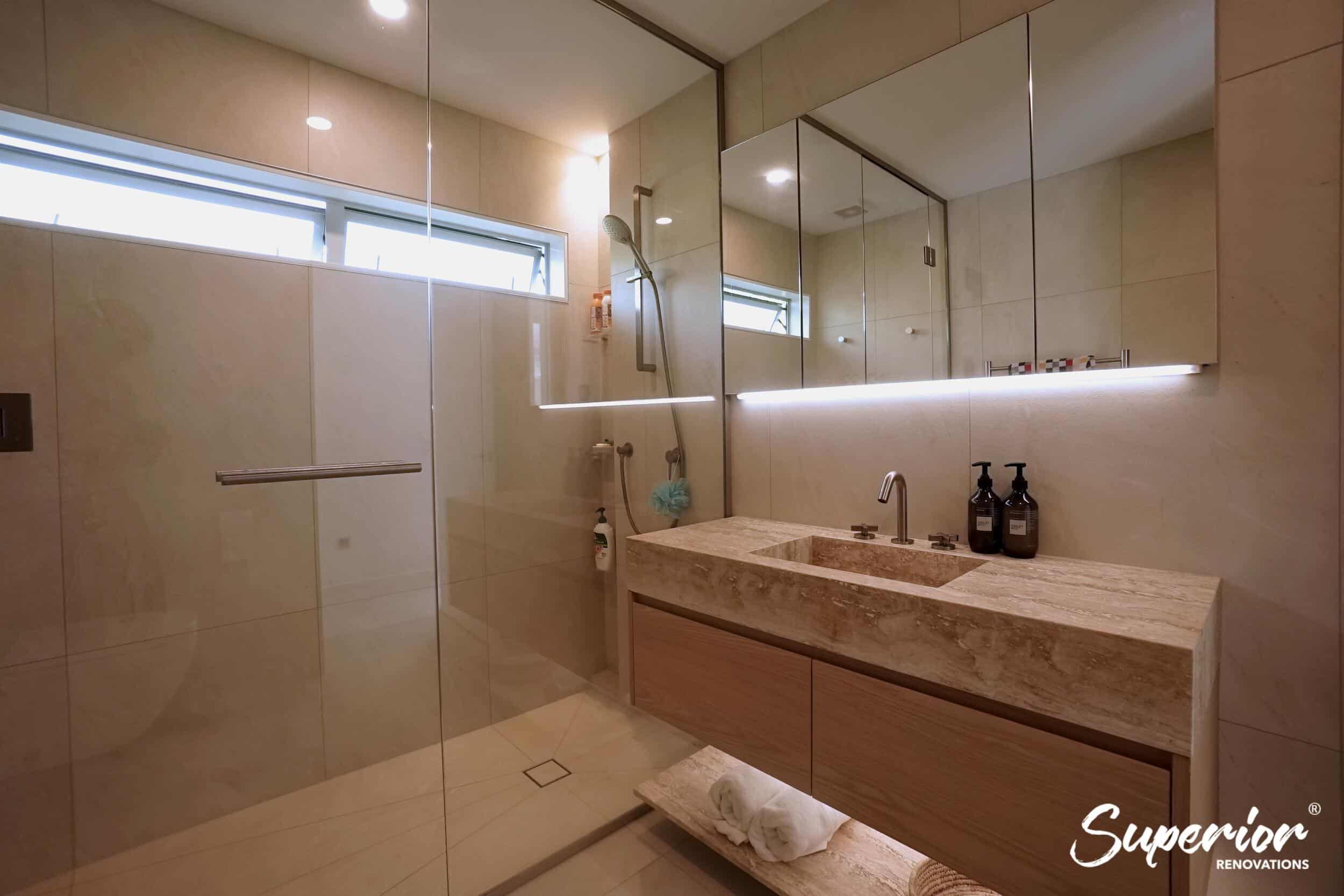
Mistake #1: Getting the Budget Wrong From Day One
This is the single most common bathroom renovation mistake we see in Auckland. Not by a small margin — by a huge one.
Homeowners walk in expecting to spend $10,000–$15,000 on a full bathroom renovation. The reality? A mid-range full bathroom renovation in Auckland costs $25,000–$35,000 in 2026, covering design, all materials, trades, and project management. That’s not luxury — that’s a properly done standard job with new tiles, vanity, shower, lighting, and fixtures.
Where the Numbers Actually Land
Here’s what bathroom renovation actually costs in Auckland right now, based on completed projects across our portfolio:
| Renovation Tier | Typical Cost (Auckland, 2026) | What’s Included |
|---|---|---|
| Budget refresh | $9,000–$16,000 | New paint, fittings, minor tiling — no layout changes |
| Mid-range full renovation | $25,000–$35,000 | New tiles, vanity, shower, fixtures, lighting, labour, project management |
| Luxury / custom wet room | $45,000–$65,000+ | Premium brands, wet room, underfloor heating, custom design |
Those figures reflect a 5–8% increase from 2025, driven by material and labour inflation across Auckland’s construction sector (Stats NZ confirmed residential construction prices rose 1.9% in the 12 months to March 2025, with further pressure through 2026).
The Real Damage of Underbudgeting
When people start a renovation with unrealistic numbers, one of two things happens. Either they run out of money mid-project — which means compromised finishes, half-done work, and a bathroom that’s worse than what they started with — or they start making reactive cuts that undermine the whole job. Cheap waterproofing. No consent. Tiles from the clearance bin that crack in six months.
We had a client in Henderson who budgeted $15,000 for a 10m² bathroom renovation but skipped a $1,500 consent for plumbing changes. Auckland Council halted the job. Three weeks of delays, $3,000 in corrections — total cost hit $22,000. With proper planning and the consent sorted upfront, it would have been $18,000.
💡 Quick tip: Use the Superior Renovations bathroom cost calculator to get an initial estimate based on your specific bathroom size and finish level before you start talking to anyone.
“The number one thing I tell clients in the first design meeting — be honest about your budget and add 10–15% on top for contingency. Auckland bathrooms always have surprises behind the walls, especially in pre-2000s homes. The contingency isn’t a luxury, it’s the thing that stops your project falling apart halfway through.”
— Cici Zou, Designer (NZ Dip. Interior Design, Certified Designer), Superior Renovations
Mistake #2: Skipping Waterproofing and Ventilation — the Invisible Killers
If budget mistakes are the most common, waterproofing and ventilation failures are the most expensive to fix after the fact.
Think about it. You can’t see waterproofing once the tiles are on. You can’t see ventilation once the ceiling is closed up. These are the parts of a bathroom renovation that nobody photographs for Instagram — and they’re the parts that determine whether your bathroom lasts 20 years or starts growing mould behind the wall in 18 months.
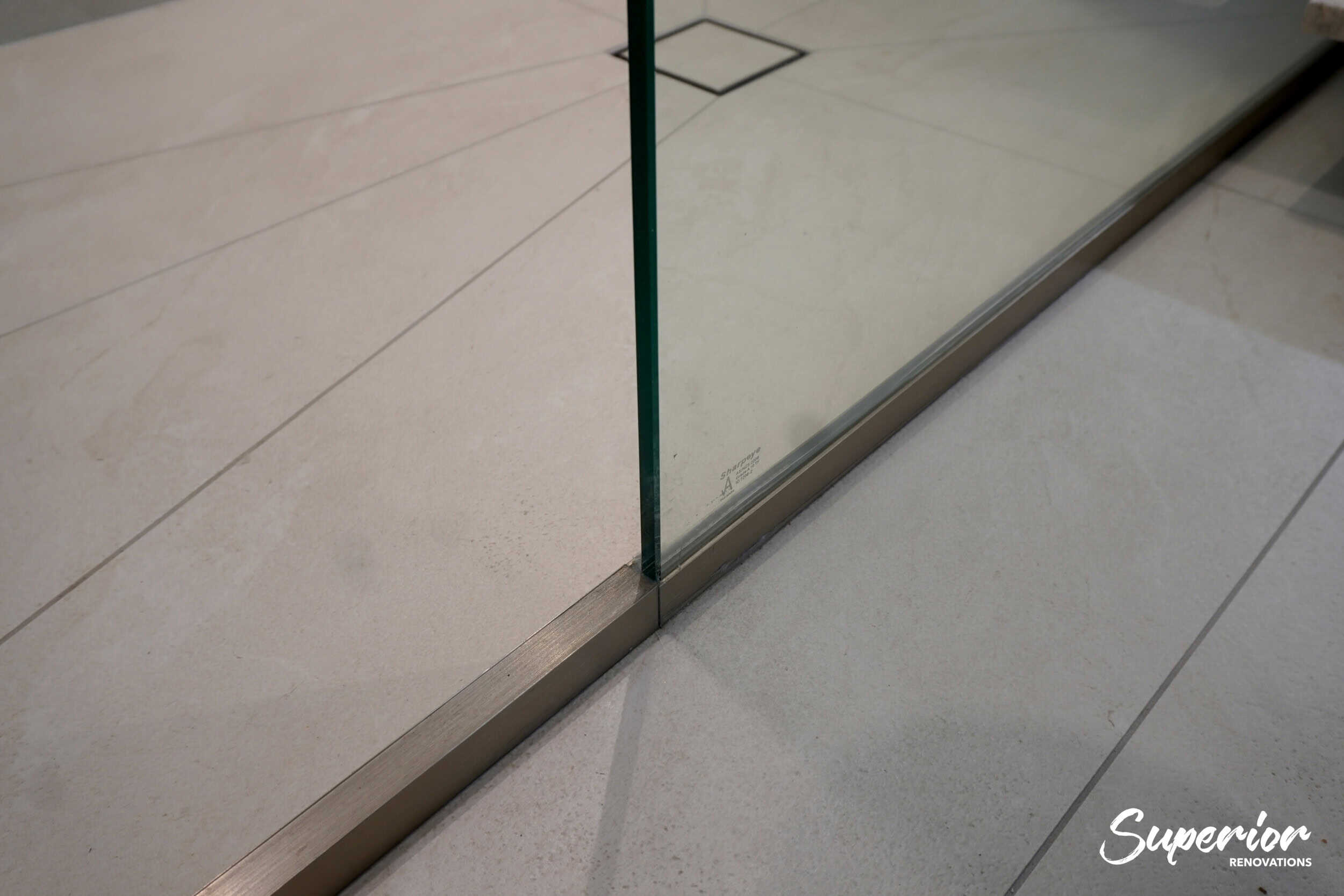
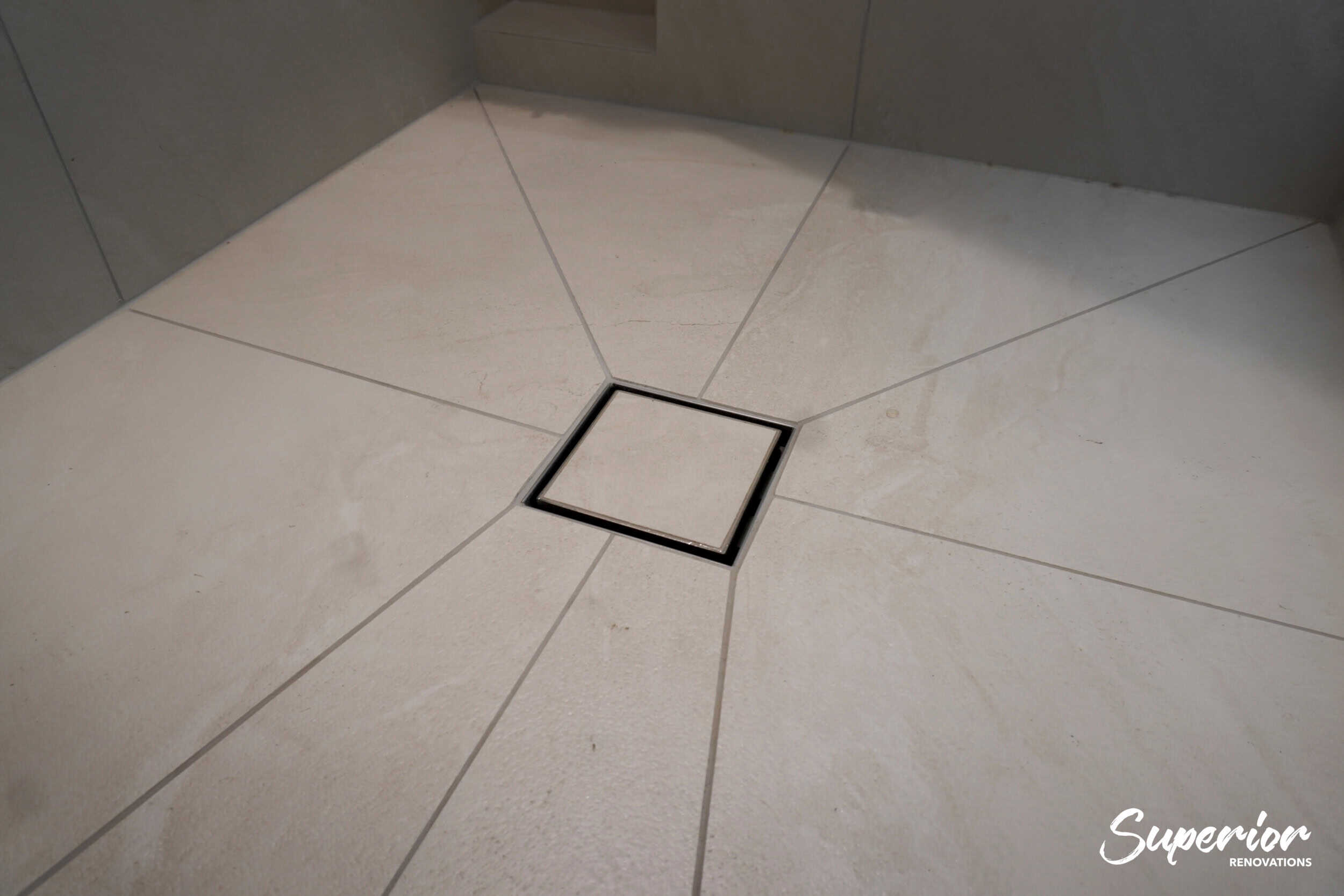
Waterproofing: What the NZ Building Code Actually Requires
NZ Building Code Clause E3 (Internal Moisture) mandates that all bathroom wet areas must be waterproofed to prevent moisture penetrating the building structure. That means the shower floor and walls, around the bath, and any area that regularly gets wet. The membrane must be applied by a qualified waterproofer, tested, and signed off before tiles go on.
Older Auckland homes — villas in Mt Eden, bungalows in Sandringham, even the 1990s–2000s builds in Albany — are already prone to moisture issues. Many have single-skin walls, poor subfloor ventilation, and decades of deferred maintenance. Layering a new bathroom on top of compromised waterproofing is like painting over rust.
Failed DIY waterproofing is one of the most common reasons bathrooms need to be re-renovated within five years. The cost? Ripping out tiles, reapplying membrane, and re-tiling a shower alone can run $5,000–$10,000 — on top of whatever the original job cost.
Ventilation: Auckland’s Humidity Problem
Auckland’s average humidity sits between 75–85% through winter. That’s high. Without proper mechanical ventilation — a decent extractor fan ducted to the outside, not just into the ceiling cavity — you’re creating a mould breeding ground.
For rental properties, an extractor fan is mandatory under the Healthy Homes standards. For owner-occupied homes, it’s not legally required in the same way, but it’s the single cheapest piece of insurance you can add to a bathroom renovation. We’re talking $300–$800 installed for a quality fan — against thousands to remediate mould damage later.
💡 Quick tip: Always have your waterproofing inspected and photographed before tiles go on. If your renovation company can’t show you documented sign-off on the membrane, ask why. At Superior Renovations, we photograph every stage and share it with the client.
A Titirangi homeowner we spoke to last year had their bathroom renovated by a previous company without documented waterproofing inspection. Eighteen months later, tiles started lifting in the shower. The repair bill came to $8,500 — more than they’d saved by going with the cheaper original quote.
Mistake #3: Ignoring Building Consent Requirements
This one catches more Auckland homeowners than you’d expect. The logic usually goes: “It’s just a bathroom. Why would I need consent for my own bathroom?”
Fair question. And for many bathroom renovations, you don’t need consent. Replacing tiles, vanity, toilet, and shower in the same positions is generally exempt under Schedule 1 of the Building Act 2004.
But the moment you start moving things — relocating the shower, shifting the toilet waste pipe, removing a wall, changing the electrical layout beyond basic replacements — consent is almost certainly required. And the consequences of getting this wrong are not theoretical.
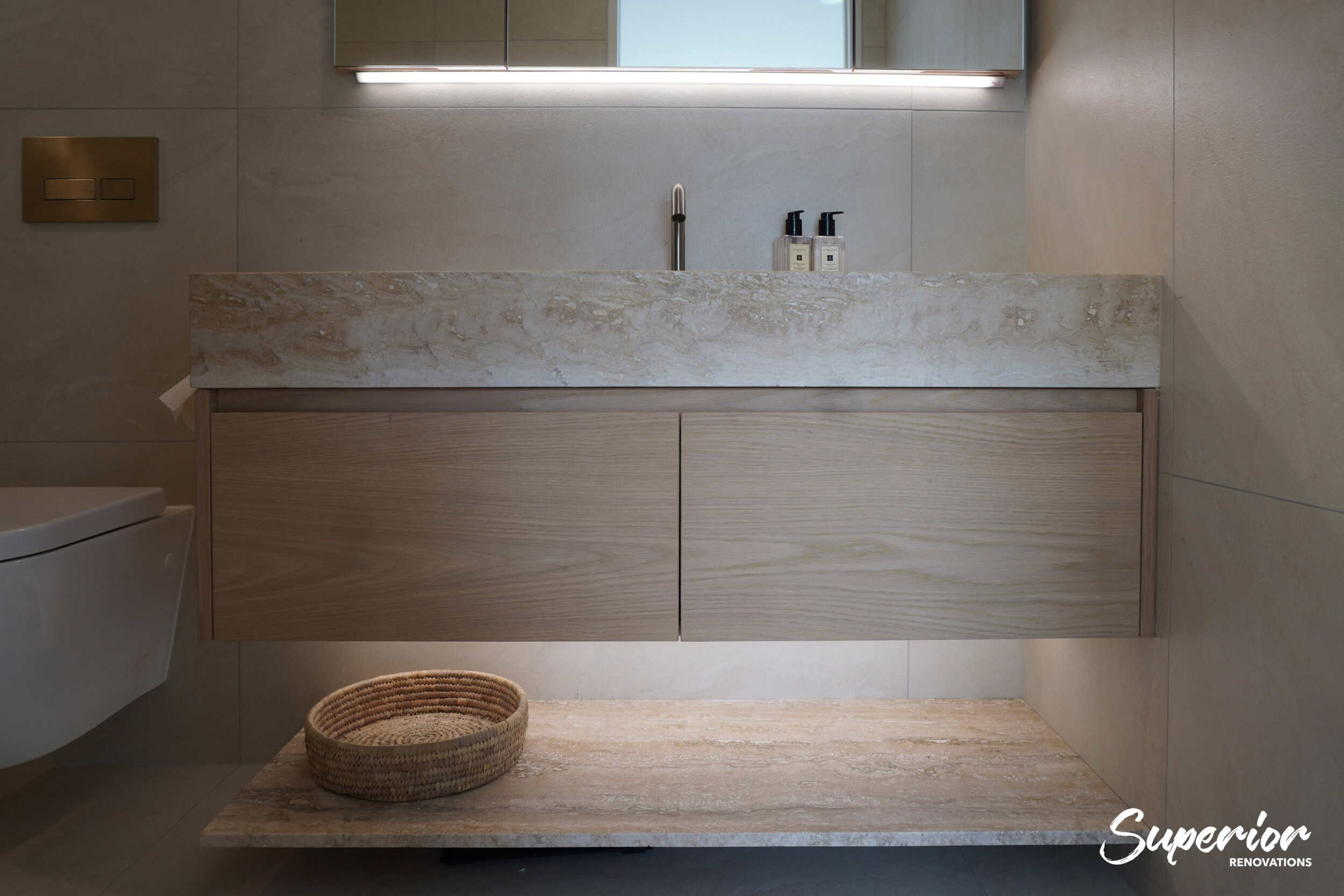
Designer Bathroom By Superior Renovations
What Happens When You Skip Consent
Auckland Council can issue a notice to fix. That means stopping work, applying retrospectively (which costs more than applying upfront), and potentially ripping out and redoing work that doesn’t meet code. Fines for unconsented work can reach $200,000 under the Building Act 2004, with a further $20,000 per day the offence continues. An instant infringement fine of $1,000 can be issued on the spot.
The practical cost is usually less dramatic — but still painful. A consent application for a standard bathroom renovation runs $500–$2,500 through Auckland Council. Compare that to $5,000–$10,000 in forced rework and delays when council discovers unconsented work. The maths is obvious.
The Selling Problem
Even if council never finds out during the renovation, unconsented work shows up later. When you sell, your solicitor or the buyer’s building inspector will ask about Code Compliance Certificates. Work done without consent can’t get a CCC. That flags on the LIM report. Unconsented bathroom work can reduce your property value or kill a sale entirely — we’ve seen this happen in Remuera and Ponsonby, where buyers walked away from otherwise excellent homes because the bathroom renovation had no paper trail.
💡 Quick tip: Not sure if your bathroom renovation needs consent? The government’s exempt building work guide on building.govt.nz lists exactly what’s covered. Or just ask during your free consultation — we assess consent requirements for every project.
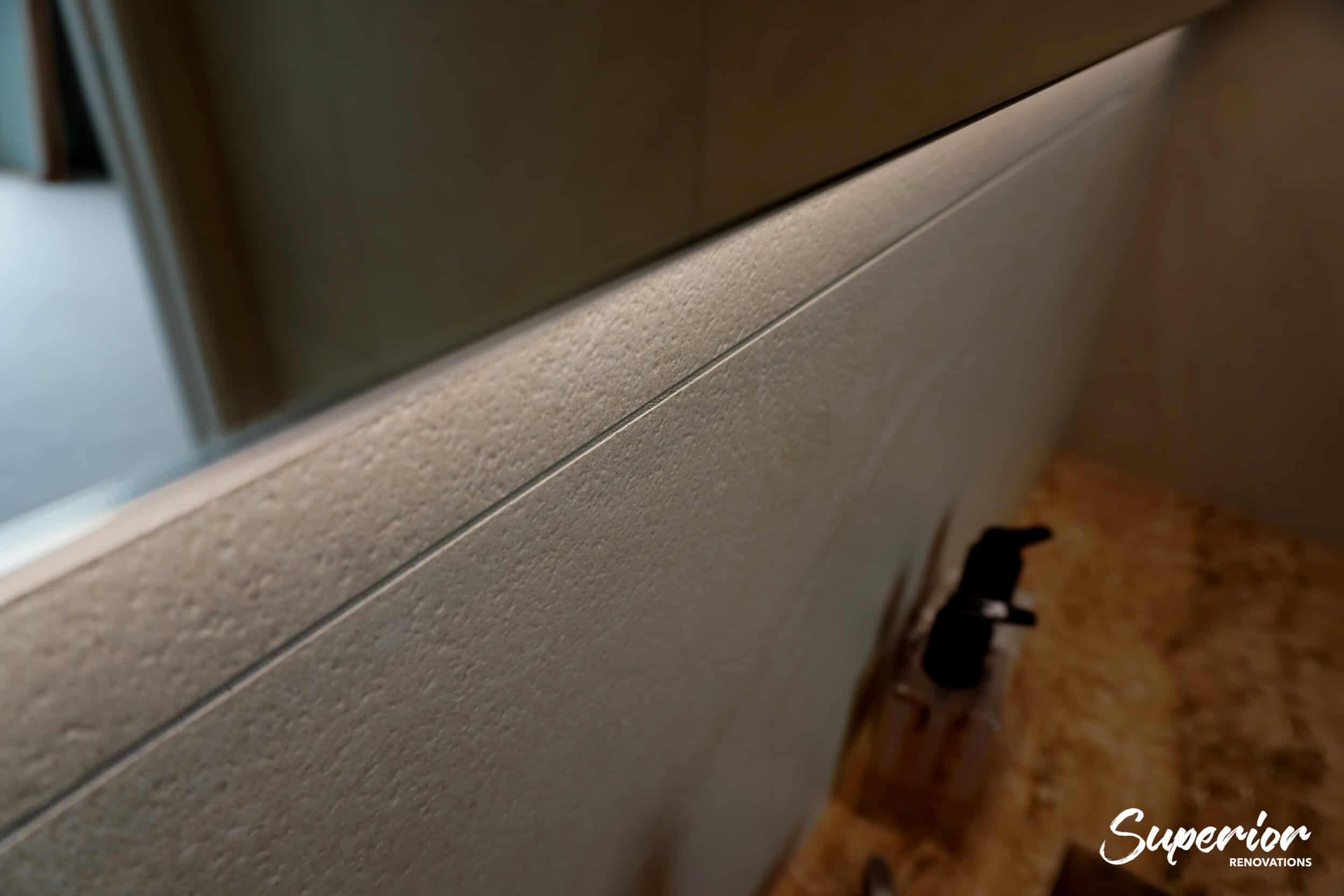
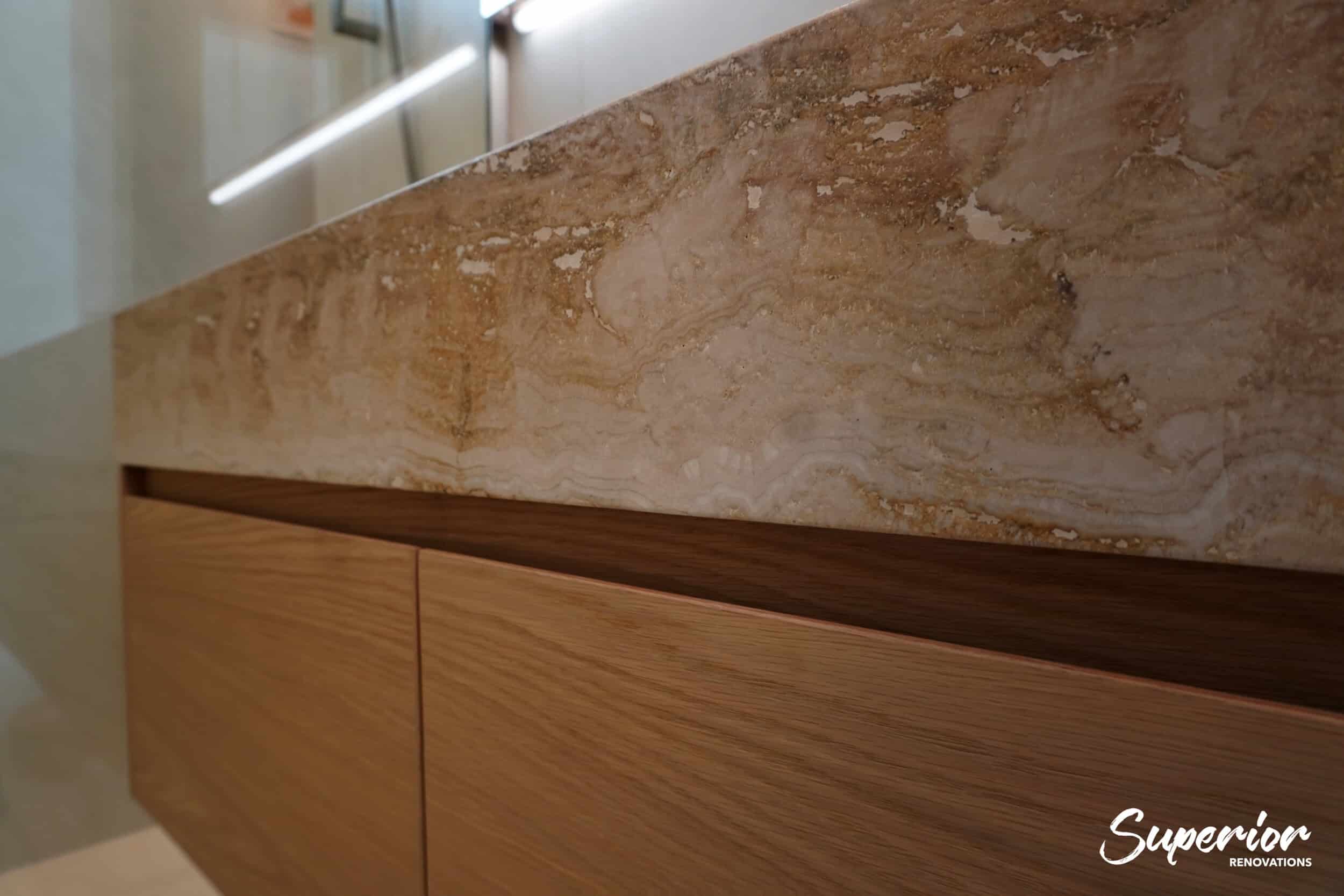
Mistake #4: Choosing Materials That Look Good but Don’t Perform
Pinterest boards are full of beautiful bathrooms. And about half of them would fall apart within three years in an Auckland bathroom.
The problem is simple: materials that perform well in a dry Californian climate don’t necessarily survive in a high-humidity Auckland environment. Natural timber vanities that haven’t been properly sealed. Unsealed natural stone tiles on a shower floor. Cheap imported tapware with no NZ warranty. These are the material decisions that look great on day one and become problems by year two.
Tiles: Where Cheap Gets Expensive
The difference between budget tiles ($30–$50/m²) and quality porcelain or ceramic ($60–$120/m²) is often less than $1,000 for an entire bathroom floor and wall area. But cheap tiles can crack, absorb moisture (especially if they’re not fully vitrified), and stain within a couple of years. The cost of retiling? $3,000–$6,000 including removal and disposal.
We generally source tiles through The Tile Depot, where the range covers everything from budget-friendly options to premium large-format tiles. The key isn’t spending the most — it’s matching the tile specification to the application.
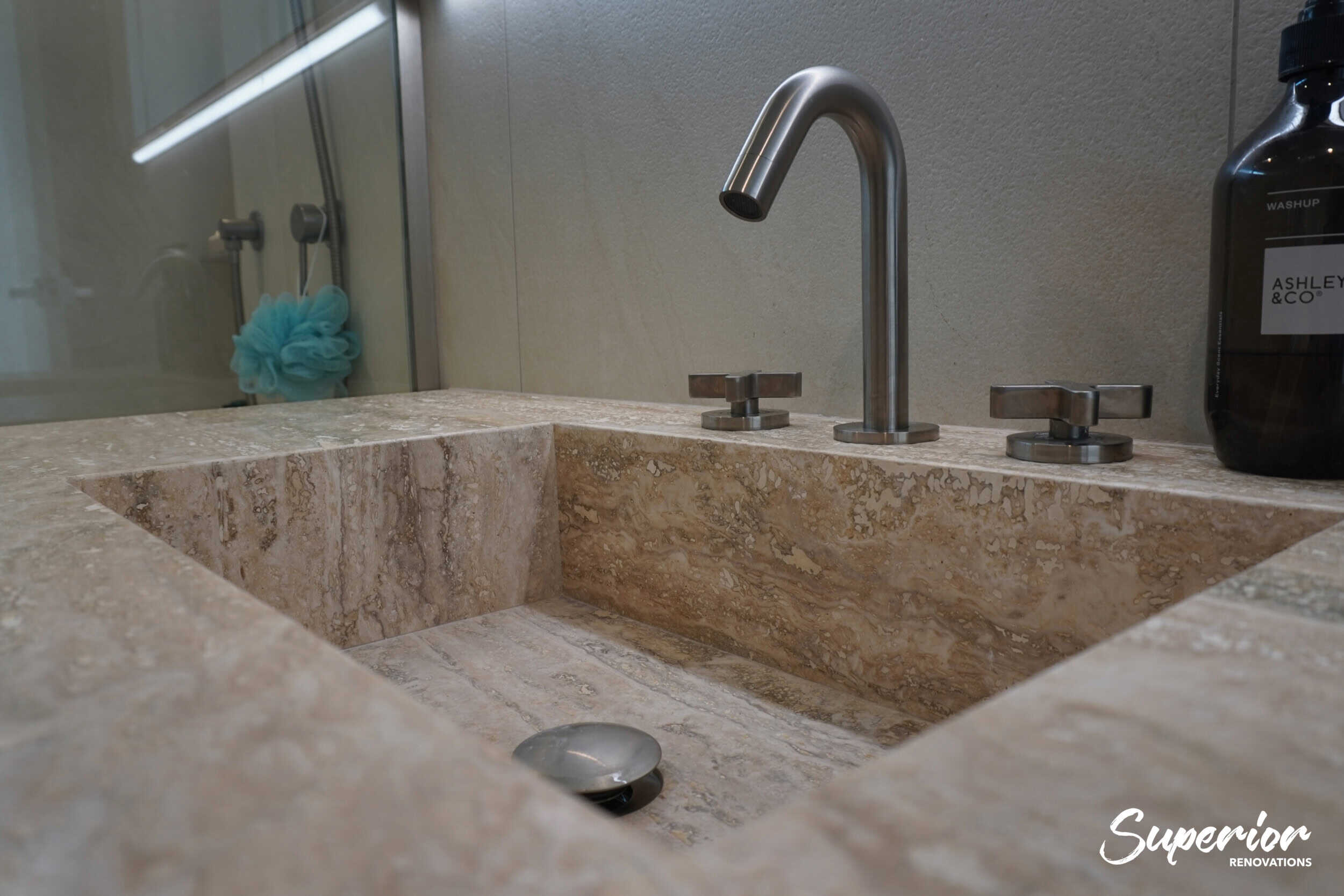
Designer Bathroom By Superior Renovations
Tapware and Fixtures: The False Economy
Matte black tapware has been the dominant trend across Auckland bathrooms for the past three years. A full set of quality matte black fixtures runs $500–$1,500. The budget versions? $200–$400. The difference shows within 12 months — cheap coatings wear, handles loosen, and cartridges fail.
We work with Reece for our bathroom plumbing and fixtures because the product range is backed by NZ warranties and the supply chain is reliable. When a mixer cartridge needs replacing in five years, you want it to be available — not discontinued by a no-name import brand.
Designer Bathroom By Superior Renovations
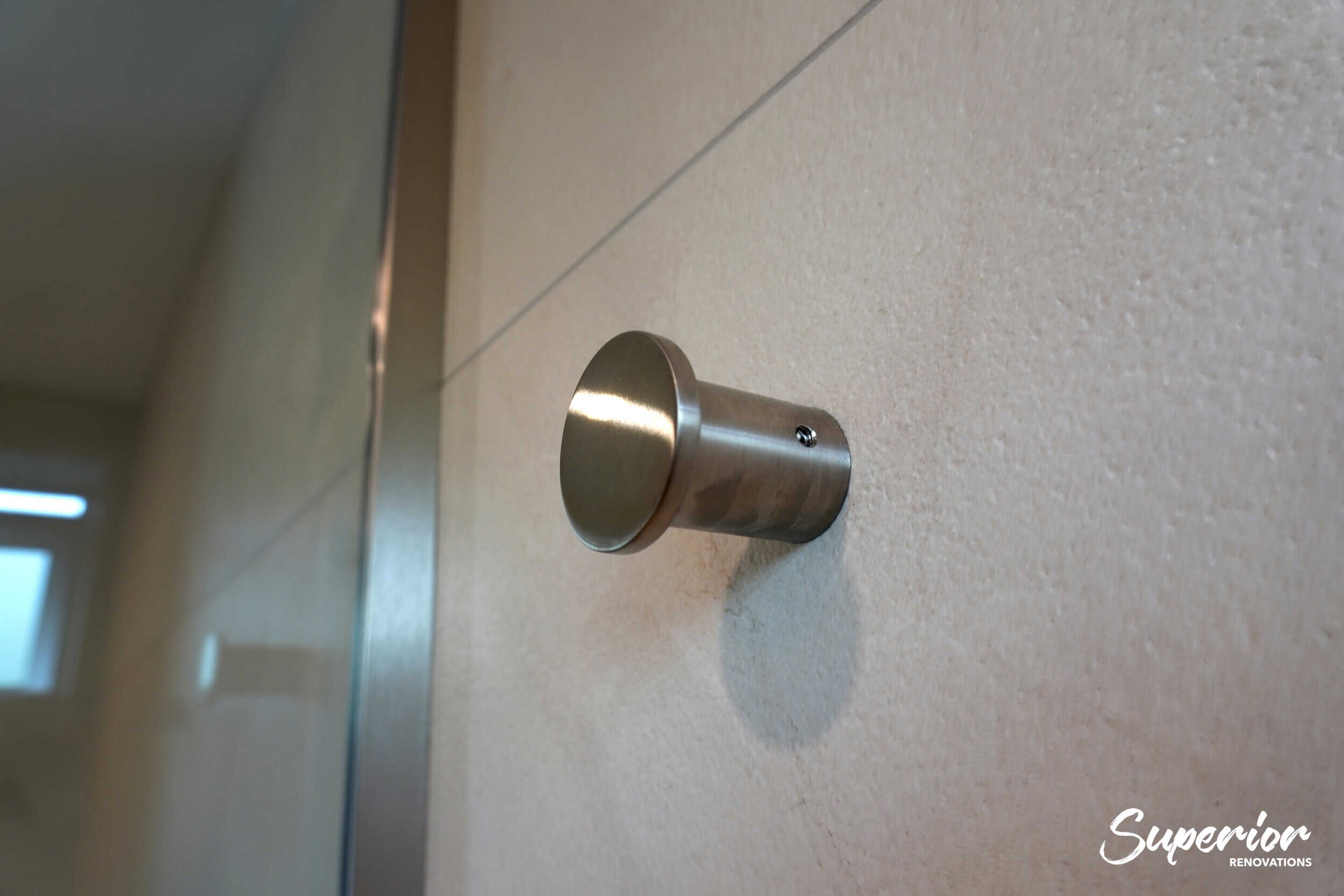
Designer Bathroom By Superior Renovations
“I always tell clients — spend your money where water touches things. Waterproofing, tiles in the shower, quality tapware. The vanity mirror and accessories? That’s where you can save. But the wet zone is not the place to cut corners in Auckland’s climate.”
— Alison Yu, Designer, Superior Renovations
💡 Quick tip: Ask your renovation company whether tapware comes with a minimum 5-year NZ warranty. If the answer is vague, the product is probably an unbranded import with no local support.
Mistake #5: Poor Layout Planning and the Space You Can’t Get Back
A bathroom is the smallest room most people renovate — and paradoxically, that makes layout planning more important, not less. Every centimetre counts.
The most common layout mistake we see? Homeowners keeping the same layout because it’s cheaper, even when the existing layout is the reason the bathroom doesn’t work. Sometimes keeping the layout makes perfect sense — same-position replacements save $2,000–$5,000 in plumbing relocation costs and usually avoid consent. But sometimes the existing layout is the problem, and preserving it means spending $25,000+ on a bathroom that still feels cramped, awkward, or poorly lit.
The Circulation Problem
NZ Building Code requires minimum clearances around fixtures. You need at least 450mm clear space in front of a toilet, and doors need to open without hitting anything. In Auckland’s older homes — the 3m × 2m bathrooms in 1970s brick-and-tile houses, the narrow bathrooms in pre-war bungalows — these clearances are tight even with careful planning.
We’ve worked on bathrooms in Hillsborough and Mt Roskill where the original toilet was so close to the vanity you couldn’t sit down without your knee touching the cabinet. The homeowners had lived with it for years. The fix was moving the toilet 300mm — a $2,000–$3,000 plumbing change that transformed the room.
Lighting: The Forgotten Layout Element
Most homeowners plan the floor layout carefully and forget about lighting entirely. A single ceiling downlight is not enough. You need task lighting at the vanity (for shaving, makeup, grooming), ambient lighting for the overall space, and ideally a night light option so you’re not blinded at 2am.
Layered lighting adds $500–$1,500 to a bathroom renovation — and it’s one of the highest-impact, lowest-cost upgrades you can make. Backlit mirrors, LED strip lighting under the vanity, and dimmable downlights turn a basic bathroom into a space that actually feels good to use. PDL by Schneider Electric supply a range of bathroom-rated switches and dimmers designed for NZ wet areas.
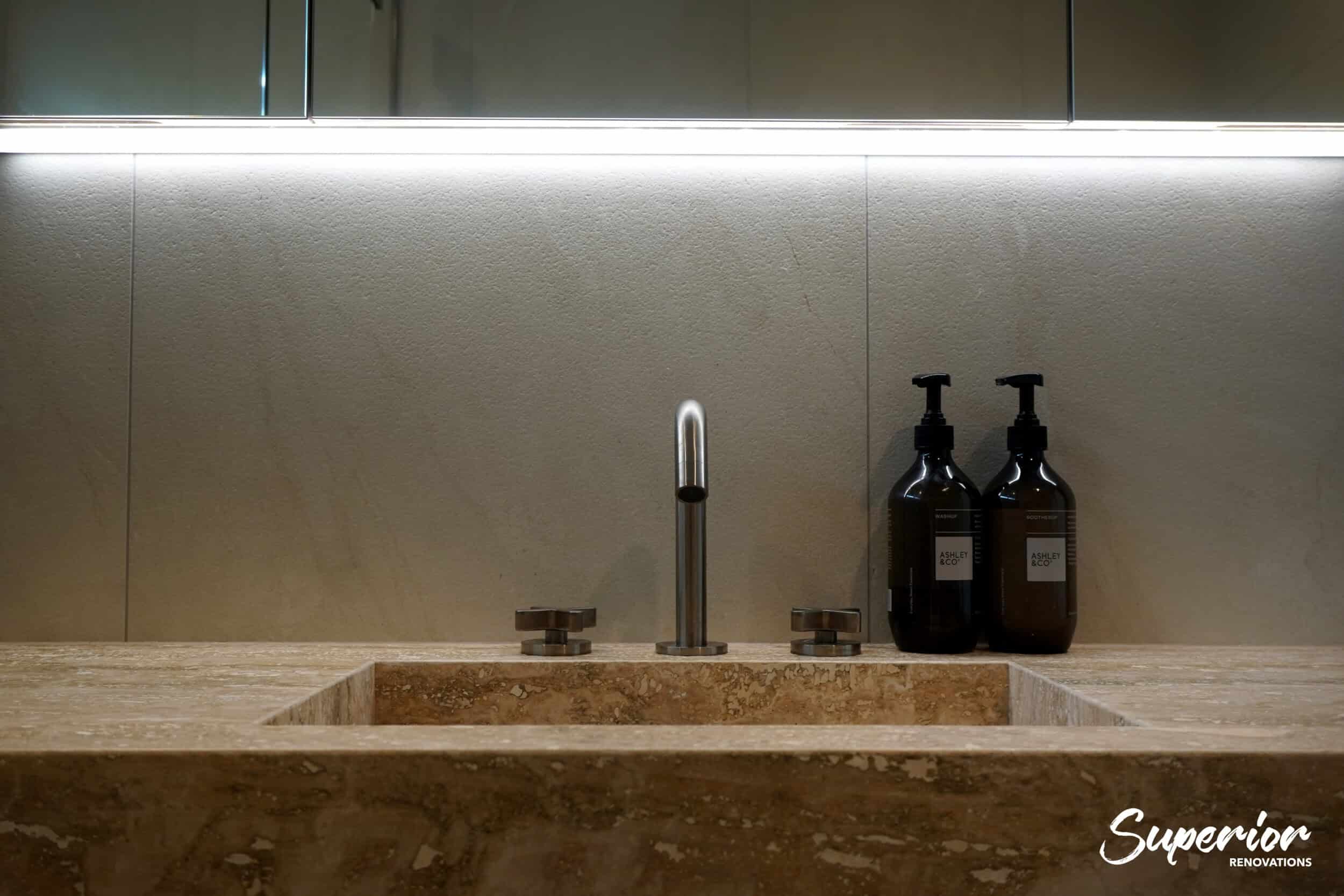
Designer Bathroom By Superior Renovations
💡 Quick tip: Before committing to a layout, visit the Superior Renovations showroom at 16B Link Drive, Wairau Valley to see real bathroom layouts in person. It’s easier to judge spatial proportions when you’re standing in an actual bathroom rather than staring at a floor plan.
Mistake #6: Hiring Wrong, Managing Trades Poorly, and DIY Overreach
A bathroom renovation involves a minimum of five or six trades: builder, plumber, electrician, waterproofer, tiler, and painter. Potentially a plasterer and gasfitter too. Coordinating these people is project management — and it’s where DIY-managed renovations consistently come unstuck.
The Cost of Poor Trade Coordination
When trades aren’t coordinated properly — tiles arrive late, the plumber and electrician are booked for the same day, or the waterproofer can’t come for three weeks — idle time alone adds $500–$1,000 to the job. Auckland tradies charge $90–$120/hour. A plumber standing around for half a day waiting for the tiler to finish is $400–$600 of your money doing nothing.
We’ve seen projects where homeowners managed their own trades and it took 8–10 weeks for a job that should have taken 3–4. The extended disruption — no functioning bathroom, living with dust, makeshift washing arrangements — costs something too, even if it doesn’t show up on a receipt.
The DIY Trap
Some bathroom tasks are genuinely DIY-friendly. Painting. Installing towel rails. Maybe even fitting a vanity if it’s a straight swap. But plumbing, electrical, waterproofing, and tiling are not weekend warrior territory.
Under NZ law, plumbing and gasfitting work must be carried out by or under the supervision of a registered person under the Plumbers, Gasfitters, and Drainlayers Act 2006. Electrical work beyond basic like-for-like replacements requires a registered electrician. These aren’t suggestions. Doing your own plumbing or electrical work in a bathroom renovation is illegal in New Zealand — and uninsurable if something goes wrong.
Checking Credentials Matters
Licensed Building Practitioners (LBPs) can be verified on the LBP register. Plumbers and drainlayers can be checked on the Plumbers, Gasfitters, and Drainlayers Board register. If your builder or renovation company can’t provide LBP numbers, that’s a red flag. Sound familiar?
A full-service renovation company like ours handles all trade coordination, scheduling, consents, and quality checks under one contract and one project manager. It’s not the only way to do a bathroom renovation — but it eliminates most of the coordination headaches that cause delays and cost blowouts.
Have a look at our real client stories from Auckland homeowners to see how the process works from their perspective.
Mistake #7: Forgetting About Storage, Access, and Long-Term Liveability
A new bathroom can look incredible on completion day and become frustrating within weeks if basic liveability details were overlooked. Storage is the biggest culprit.
Most Auckland bathrooms are between 3m² and 8m² — and nearly all of them lack sufficient storage. Shampoo bottles on the floor of the shower. Towels piled on the toilet cistern. Cleaning products under the vanity next to the hair dryer. These are signs of a bathroom that was designed for the photo, not for daily life.
Storage Solutions That Actually Work
Recessed shower niches (built into the wall during the tiling phase) cost almost nothing extra during construction but add genuine daily functionality. A wall-mounted vanity with drawers rather than a pedestal basin gives you usable storage without taking floor space. Mirrored cabinets above the vanity double as storage and lighting.
These aren’t luxury additions. They’re standard specifications that should be part of every bathroom renovation brief — and they’re easy to include during the design phase but expensive or impossible to add later.
Future-Proofing and Accessibility
If you’re planning to stay in your home long-term, or you’re renovating for ageing parents, think about grab rails (or at least blocking in the wall so they can be added later), barrier-free shower entries, and slip-resistant flooring. These features cost very little to include during a renovation but thousands to retrofit.
💡 Quick tip: Ask your designer to include timber blocking behind the tiles in the shower and toilet areas during construction. It costs under $100 and means you can install grab rails at any point in the future without retiling.
How to Avoid These Bathroom Renovation Mistakes — the Summary
Every mistake on this list has the same root cause: not enough planning upfront. The bathroom renovation itself — demo, build, tile, fit — takes 3 to 4 weeks for a standard Auckland project. The planning should take at least that long again.
Get your budget realistic before you start talking to anyone. Understand what consent applies to your specific project. Choose a renovation company that manages all trades under one contract, provides a fixed-price quote, and documents every stage. Visit a showroom. Talk to a designer. And build in that 10–15% contingency — because Auckland’s older homes always have something behind the walls.
The best bathroom renovations we’ve delivered — the ones where clients are still happy years later — all had one thing in common. They were planned properly before anyone picked up a hammer.
➡ Book your free in-home consultation with Superior Renovations
➡ Try our free bathroom renovation cost calculator
➡ Request a free feasibility report for your project
What are the most common bathroom renovation mistakes in NZ?
The most common bathroom renovation mistakes in New Zealand include underestimating costs (Auckland mid-range is $25,000–$35,000, not the $10,000–$15,000 many expect), skipping building consent when moving plumbing or making structural changes, cutting corners on waterproofing under tiles, poor ventilation planning in Auckland's high-humidity climate, choosing cheap materials that don't perform in wet areas, and not coordinating trades properly — which adds weeks of delays and idle labour costs.
How much does a bathroom renovation cost in Auckland in 2026?
In Auckland in 2026, a budget bathroom refresh costs $9,000–$16,000, a mid-range full renovation runs $25,000–$35,000, and a luxury or custom wet room starts from $45,000 upwards. These figures reflect a 5–8% increase from 2025 due to material and labour inflation. Auckland costs run higher than the national average because of elevated labour rates ($90–$120/hour) and higher compliance costs. Use our free bathroom renovation cost calculator for an estimate tailored to your specific project.
Do I need building consent for a bathroom renovation in Auckland?
Most standard bathroom renovations — replacing tiles, vanity, toilet, and shower in the same positions — do not require Auckland Council consent. Consent is required if you are moving plumbing to a new location, removing or adding walls, or making electrical changes beyond standard like-for-like replacements. Consent applications typically cost $500–$2,500. Skipping consent when required can result in fines up to $200,000 under the Building Act 2004, plus forced rework costing $5,000–$10,000.
How long does a bathroom renovation take in Auckland?
A standard full bathroom renovation takes 3 to 4 weeks from demolition, assuming design is finalised and all materials are pre-ordered. If consent is required (for moving plumbing or structural changes), add 4 to 8 weeks for Auckland Council processing before work can begin. More complex projects with custom elements or heritage considerations may take 6 to 8 weeks on site. Your project manager should provide a clear timeline before work starts.
What is the biggest waste of money in a bathroom renovation?
The biggest waste of money is doing a renovation twice — which happens when waterproofing fails (repair cost $5,000–$10,000), when unconsented work needs to be ripped out and redone ($5,000–$10,000+), or when cheap materials fail within two to three years. Spending properly on waterproofing, quality tiles in wet areas, and reputable tapware with NZ warranties prevents the expensive second renovation that catches many Auckland homeowners.
Should I move my bathroom layout or keep it the same?
Keeping the same layout saves $2,000–$5,000 in plumbing relocation costs and usually avoids the need for building consent. Keep the layout if the existing positions work well and your budget is under $20,000. Consider changing the layout if the current arrangement creates circulation problems, if you have dead space that could be better used, or if fixtures are so close together that daily use is uncomfortable. A designer can advise whether the relocation cost is justified for your specific bathroom.
Can I DIY my bathroom renovation in New Zealand?
Some tasks are DIY-friendly — painting, installing towel rails, and minor cosmetic work. But plumbing, gasfitting, and drainage work must legally be done by a registered professional under the Plumbers, Gasfitters, and Drainlayers Act 2006. Electrical work beyond basic like-for-like replacements requires a registered electrician. Waterproofing and tiling in wet areas should be done by qualified tradespeople. DIY plumbing or electrical work is illegal in NZ and uninsurable if something goes wrong.
How do I choose the right bathroom renovation company in Auckland?
Check that the company uses Licensed Building Practitioners (verifiable on the LBP register). Ask for a fixed-price quote rather than an estimate. Confirm they manage all trades — plumber, electrician, tiler, waterproofer — under one contract with a dedicated project manager. Read genuine Google and Facebook reviews. Visit their showroom if they have one. Ask whether consent is managed on your behalf and whether all work is photographed and documented at each stage.
What waterproofing is required for a bathroom renovation in NZ?
NZ Building Code Clause E3 (Internal Moisture) requires all wet areas to be waterproofed with a membrane system that prevents moisture penetrating the building structure. This applies to shower floors and walls, around baths, and any area that gets regularly wet. The waterproofing must be applied by a qualified professional, inspected, and documented before tiles are installed. Failed waterproofing is one of the most common causes of bathroom rework — repair costs typically run $5,000–$10,000.
Is a bathroom renovation worth it for resale value in Auckland?
Yes — a well-executed bathroom renovation is one of the highest-ROI improvements for Auckland homes. REINZ data consistently shows updated bathrooms as a top factor in buyer decision-making. A mid-range renovation ($25,000–$35,000) can add $15,000–$30,000 in perceived value depending on the property and suburb. The key is neutral, quality finishes that appeal to broad buyer taste — avoid overly personal design choices if you plan to sell within five years.
What should I do before starting a bathroom renovation?
Start by getting a realistic budget using an online cost calculator or a free consultation. Check whether your project needs building consent (moving plumbing or walls usually triggers consent). Visit a renovation showroom to see real materials and finishes. Get a fixed-price quote from a reputable renovation company. Pre-order tiles and fixtures 4–6 weeks before your start date to avoid delays. Plan for 10–15% contingency in your budget, especially if your Auckland home was built before 2000.
Further Resources for your bathroom renovation
- Featured projects and Client stories to see specifications on some of the projects.
- Real client stories from Auckland
Need more information?
Take advantage of our FREE Complete Home Renovation Guide (48 pages), whether you’re already renovating or in the process of deciding to renovate, it’s not an easy process, this guide which includes a free 100+ point check list – will help you avoid costly mistakes.
Download Free Renovation Guide (PDF)
Still have questions unanswered?
Book a no-obligation consultation with the team at Superior Renovations,
we’d love to meet you to discuss your renovation ideas!
[contact-form-7]
Or call us on 0800 199 888

Have you been putting off getting renovations done?
We have partnered with Q Mastercard ® to provide you an 18 Month Interest-Free Payment Option, you can enjoy your new home now and stress less.
Learn More about Interest-Free Payment Options*
*Lending criteria, fees, terms and conditions apply. Mastercard is a registered trademark and the circles design is a trademark of Mastercard International Incorporated.
The post Common Bathroom Renovation Mistakes NZ | 2026 Guide appeared first on Superior Renovations. #superiorrenovations


Comments
Post a Comment