Freestanding Bath vs Built-In Bath: NZ Cost & Design Guide
Originally posted on Freestanding Bath vs Built-In Bath: NZ Cost & Design Guide
Superior Renovations - Auckland’s Trusted Home Renovation Specialists
Quick answer: A freestanding bath works best in bathrooms over 6m² where you want a visual centrepiece — expect to pay $1,500–$3,000 for a mid-range tub in Auckland. A built-in bath saves space and money, starting from around $600–$1,500, and suits smaller bathrooms or families who just need something functional. The right choice depends on your bathroom size, budget, and whether the bath is the hero of the room or a supporting player.
This question comes up in nearly every bathroom design consultation we run. Homeowner walks in, shows us a Pinterest board full of freestanding baths positioned under skylights in rooms the size of a small apartment, then mentions their actual bathroom is 4.5m² in a 1970s brick-and-tile in Pakuranga.
That’s not a criticism. It’s just the reality of how most Auckland bathrooms are built — and it’s exactly why the freestanding vs built-in decision matters more here than in the big international design magazines. Your bath choice affects everything: the layout, the plumbing, the tiling scope, the total renovation cost, and how the room actually functions day to day.
We’ve installed both types across hundreds of Auckland bathroom renovations since 2017. Freestanding baths in our completed projects across West Harbour, Henderson Valley, and Epsom. Built-in baths in compact North Shore ensuites and Hillsborough family bathrooms. And a growing number of back-to-wall baths — which sit somewhere in between and are worth knowing about.
This article breaks down the practical differences between each bath type, with real NZ costs, Auckland project examples, and honest advice on which one fits your home. No fluff. Just the stuff you actually need to know before committing to a $30,000+ bathroom renovation.
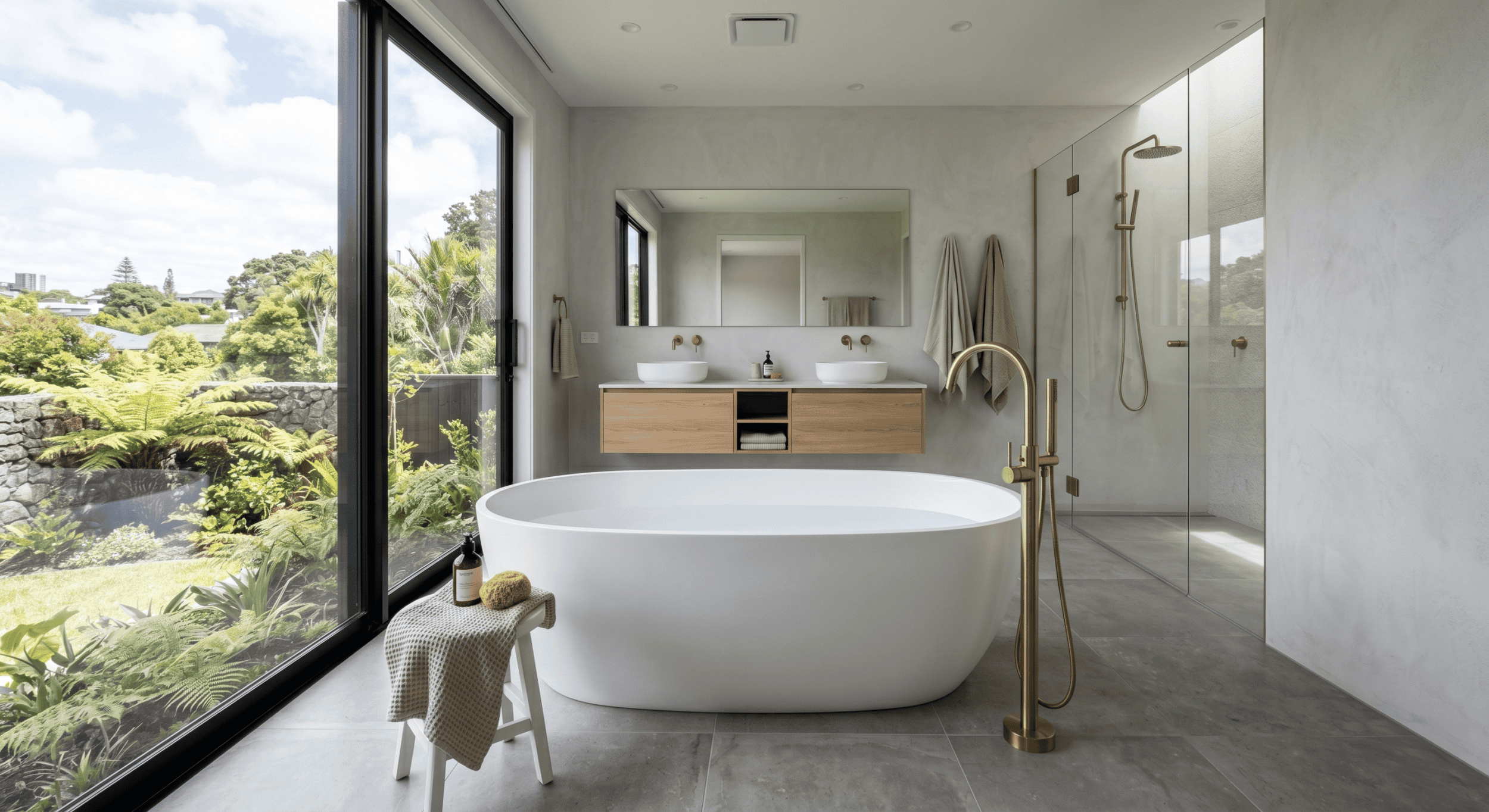
Design and Aesthetics: When a Freestanding Bath Earns Its Place
There’s a reason freestanding baths dominate bathroom design magazines. A standalone tub positioned in the centre of a room — or against a window with a view — creates a focal point that no built-in bath can match. The tub itself becomes a piece of furniture, almost sculptural, and the space around it reads as open and intentional.
That effect is real. We’ve seen it work beautifully in larger Auckland bathrooms — particularly in renovated villas across Grey Lynn and Ponsonby where the original bathroom footprint has been opened up, or in newer builds around Hobsonville and Millwater where bathrooms are designed with more generous proportions from the start.
What a Freestanding Bath Actually Needs to Look Right
Here’s what the magazine shots don’t always show you: a freestanding bath needs breathing room. You need at least 100–150mm of clear space around all sides of the tub for cleaning access, and ideally 300mm or more for it to look properly placed rather than jammed in. That means your bathroom realistically needs to be 7m² or larger for a freestanding bath to feel right — not just fit.
We had a client in Remuera who initially wanted a 1700mm freestanding bath in a 5.5m² ensuite. Once we mapped it out with the shower, vanity, and toilet, the bath would have sat with about 80mm clearance on one side. It would have fit, technically. But it would have looked cramped and been a nightmare to clean behind.
“A freestanding bath should feel like it was placed deliberately — like it chose that spot. If you’re squeezing it in just to say you have one, a well-designed built-in or back-to-wall option will actually look more expensive.”
— Dorothy Li, Design Manager, Superior Renovations
Freestanding baths come in a range of styles, from classic clawfoot designs that suit character homes to sleek, modern oval or rectangular tubs that work in contemporary spaces. Materials range from standard acrylic ($1,000–$2,500) through to solid surface composite and stone resin ($3,000–$8,000+), with premium options from NZ suppliers like Plumbline and Reece sitting at the upper end.

When a Built-In Bath Makes More Sense Design-Wise
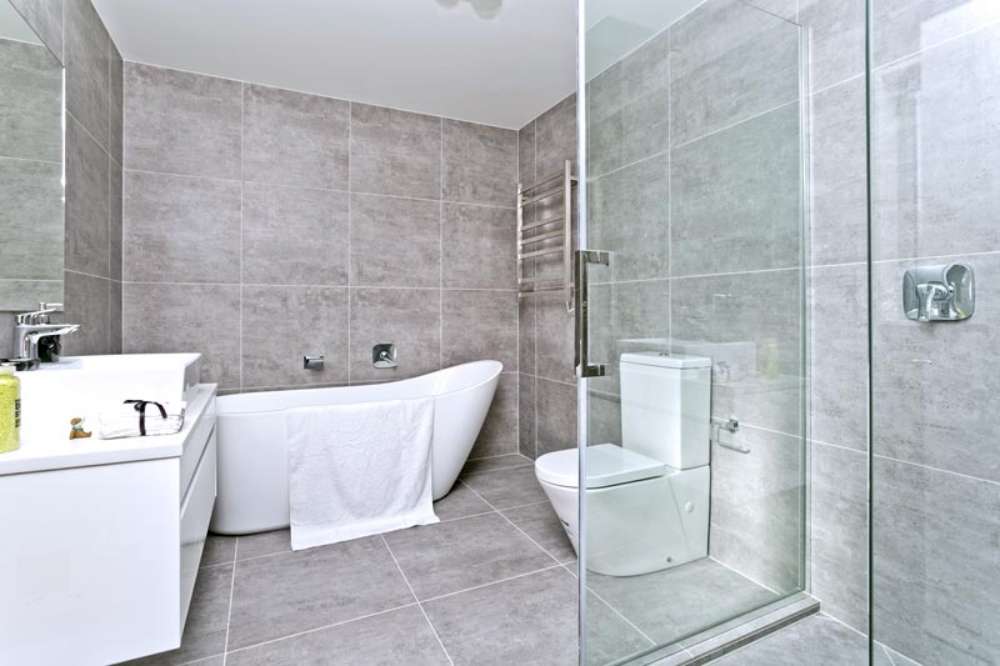
Built-in baths — also called alcove, inset, or drop-in baths — sit against one, two, or three walls, with the tub recessed into a tiled surround or hob. They’re the most common bath type in New Zealand homes and for good reason: they integrate into the room rather than dominating it, which gives you more flexibility with the rest of your layout.
A built-in bath works particularly well when your bathroom is under 6m², when you want a shower-over-bath configuration (still a practical choice for families), or when the bath isn’t intended to be the star of the room. In a well-designed built-in setup, the tiling around the bath becomes the feature — and you can create a genuinely beautiful result with good tile selection.
We’ve tiled built-in bath surrounds with everything from large-format porcelain to handmade Artisan tiles from The Tile Depot, and the results compete with any freestanding installation. The tiled hob also gives you ledge space for candles, products, or a glass of wine — something freestanding baths famously lack unless you add a bath caddy or shelf.
💡 Quick tip: If you love the look of a freestanding bath but your bathroom is too small, consider a back-to-wall bath. It sits flush against one wall — so you get the sculptural front profile of a freestanding tub with the space efficiency of a built-in. It’s a genuine middle ground that works in bathrooms from about 5m².
Auckland Homes and Bath Types: What Suits What
The age and style of your Auckland home often narrows this decision faster than your personal taste does.
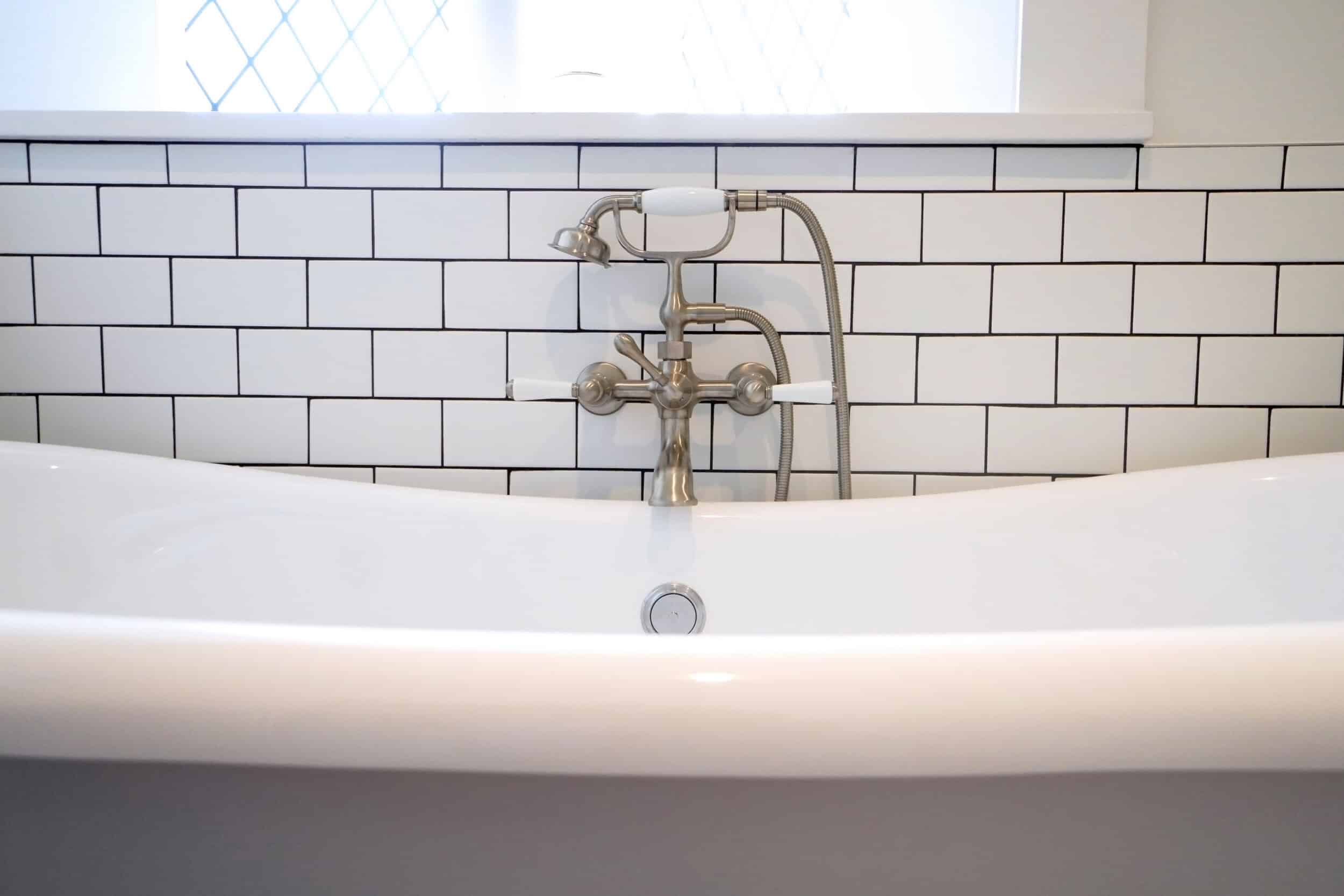
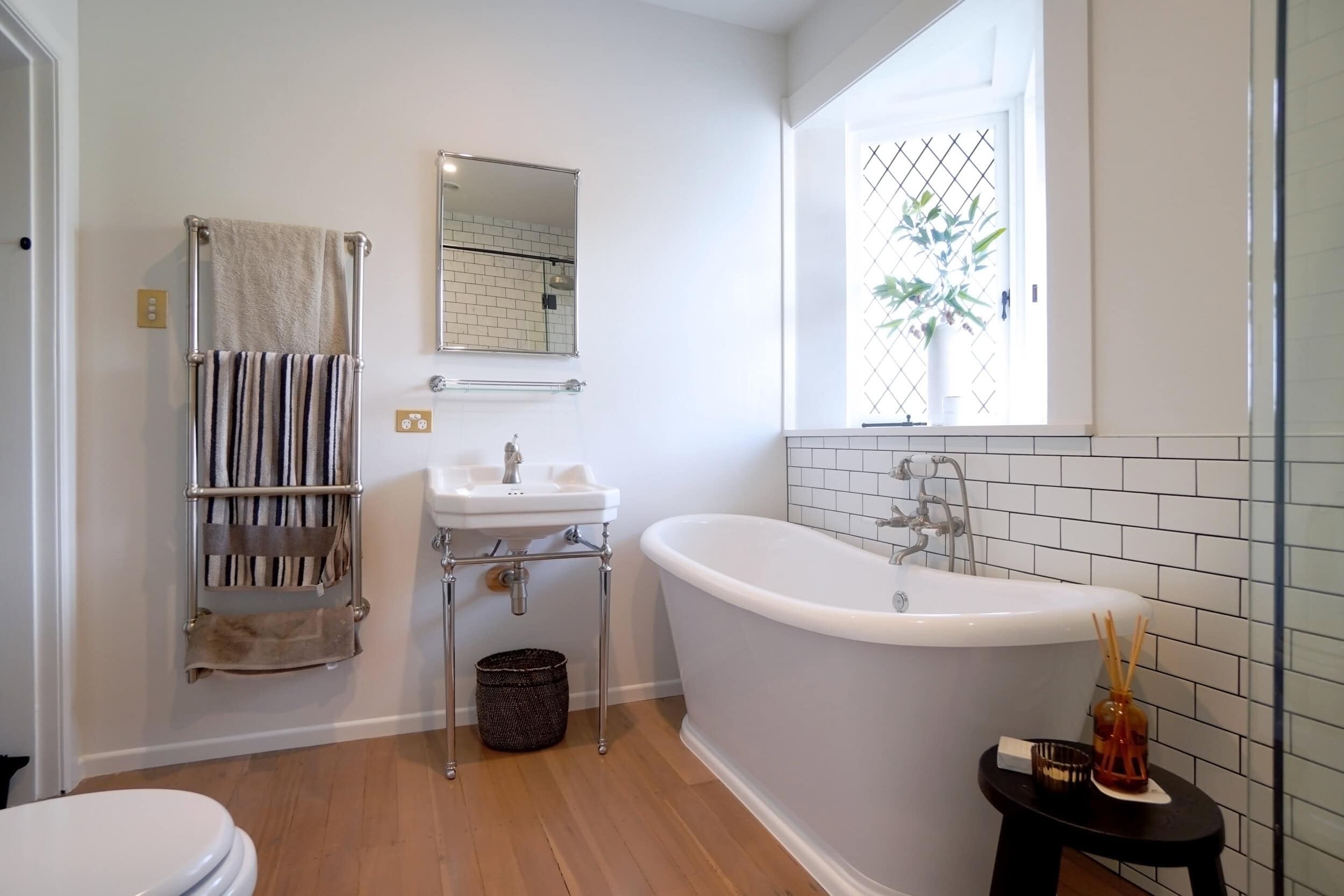
Pre-1940s villas in Mt Eden, Grey Lynn, and Ponsonby often have generous bathroom footprints (or the potential to create one by reconfiguring adjacent rooms). These homes suit freestanding baths well, particularly clawfoot or roll-top styles that match the character of the house. A modern freestanding tub in a villa bathroom can also create a striking contrast between old and new — we’ve seen that work well in Epsom and Parnell renovations.
1970s–80s brick-and-tile homes across South and West Auckland typically have smaller, more compartmentalised bathrooms. Built-in baths are usually the practical choice here, often as a shower-over-bath combo that maximises a tight footprint. These bathrooms were designed around built-in fixtures, and the plumbing is set up accordingly.
Newer homes in subdivisions like Hobsonville, Flat Bush, and Millwater tend to have more flexibility. Master ensuites in these homes are often large enough for a freestanding bath, while secondary family bathrooms work better with a built-in configuration or a compact back-to-wall.
Space, Cleaning, and Plumbing: The Practical Stuff Nobody Mentions
Design gets all the attention. The practical realities of living with your bath — cleaning behind it, plumbing it in, getting enough clearance for the toilet door to swing open — those conversations happen later. Usually too late. So let’s have them now.
Space Requirements: How Much Room Do You Actually Need?
Standard bathtubs in NZ start from about 1520mm long by 760mm wide, though most freestanding models sit in the 1500mm–1800mm range. The difference in space isn’t really about the tub itself — it’s about what goes around it.
A built-in bath against three walls needs no clearance on those sides. You tile up to the tub lip, and the only open side is where you step in. That means a built-in bath might use just 1.2m² of your floor plan, while a freestanding bath of the same size could require 2.5m² or more once you factor in the clearance space around it.
| Factor | Freestanding Bath | Built-In Bath | Back-to-Wall Bath |
|---|---|---|---|
| Minimum bathroom size | 7m²+ recommended | 4m²+ workable | 5m²+ recommended |
| Clearance needed | 100–300mm all sides | None (enclosed sides) | None at wall; 100mm+ on sides |
| Floor space used | ~2.5m² (with clearance) | ~1.2m² | ~1.6m² |
| Shower-over-bath option | Possible but uncommon | Yes — very common | Possible with wall-mount fittings |
| Ledge/storage space | None (add caddy or shelf) | Tiled hob or ledge | Wall-side ledge only |
For context, the average Auckland bathroom we renovate sits between 4.5m² and 7m². That puts a lot of bathrooms in the “too small for a comfortable freestanding bath, but fine for a built-in or back-to-wall” category. Larger master ensuites and primary bathrooms in renovated or newer homes are where freestanding baths tend to land.
💡 Quick tip: Before falling in love with a freestanding bath, measure your bathroom and mark out the tub footprint with masking tape on the floor — including 150mm clearance on all exposed sides. Then stand back and check whether the room still feels open. If you’re already bumping into things, it’s too tight.
Cleaning: The Honest Truth
This is where the romance fades slightly. Freestanding baths collect dust, hair, and grime in the gap between the tub and the floor — and behind the tub where it’s hardest to reach. If your freestanding bath has legs (clawfoot style), the floor underneath needs regular mopping. If it sits flat on the floor, the narrow gap between the tub base and the tiles becomes a magnet for debris.
Built-in baths avoid most of this. The enclosed sides mean you’re only cleaning the inside of the tub and the tiled surround. No crawling behind anything with a mop.
Back-to-wall baths split the difference — the wall side stays sealed and clean, but the exposed front and sides still need occasional attention.
This isn’t a reason to avoid a freestanding bath. It’s just something to plan for. If you go freestanding, make sure there’s enough room to physically walk around the tub for cleaning. A bath you can’t get behind without moving is a bath that will develop a sticky strip of grime you’ll try very hard to ignore.
Plumbing and Installation in NZ Homes
The biggest practical difference between the two bath types is what happens underneath the floor.
A built-in bath connects to standard waste plumbing through the wall or floor — it’s straightforward because the bath sits in a fixed position against the wall where the pipes already are. In most Auckland renovations where you’re replacing an existing built-in bath with a new one, the plumbing changes are minimal.
A freestanding bath needs its drainage to run through the floor. If your Auckland home has a timber floor (common in villas and many pre-2000s homes), this is manageable — the plumber drops the waste pipe through the timber framing to connect below. If your bathroom has a concrete slab floor — common in 1970s–80s brick-and-tile homes and some newer builds — running waste through the slab is significantly more expensive. It often means cutting into the concrete, which adds $1,500–$3,000+ to the plumbing scope depending on the distance to the nearest drain connection.
“We always check the floor structure before confirming a freestanding bath. On a timber subfloor, it’s straightforward. On concrete, we need to factor in core drilling and sometimes a small pump if the fall isn’t sufficient — and that cost surprises people if they haven’t planned for it.”
— Cici Zou, Designer (NZ Dip. Interior Design, Certified Designer), Superior Renovations
Tapware is another consideration. Built-in baths typically use wall-mounted taps, which are common and cost-effective. Freestanding baths usually pair with floor-mounted or freestanding bath fillers — and these are noticeably more expensive. A quality floor-mounted bath filler in NZ runs $800–$2,500+, compared to $250–$800 for a standard wall-mounted bath mixer.
Water supply lines for floor-mounted fillers also need to come up through the floor, which circles back to the same concrete-slab issue mentioned above. If you’re renovating a bathroom where the plumbing is already in the walls, switching to a freestanding bath with a floor filler means running new supply lines — more time, more labour, more cost.
💡 Quick tip: If you want a freestanding bath but your bathroom has a concrete slab, talk to your builder and plumber before committing. A wall-mounted filler paired with a freestanding bath positioned near the existing wet wall can reduce plumbing costs significantly — the bath doesn’t have to sit in the centre of the room.
Weight and Floor Load
Worth mentioning: a filled bathtub plus an adult weighs roughly 300–400kg, depending on the tub size. Most NZ timber-framed floors can handle this without issue if the framing is in good condition, but older villas with original subfloors may need the bearers and joists checked — particularly if you’re moving the bath to a new position.
For concrete slab floors, weight isn’t a concern. For upper-storey bathrooms in two-storey homes, your builder should verify the floor structure can carry the load in the proposed position — this applies to both bath types but matters more with larger freestanding tubs.
Cost Comparison: Freestanding vs Built-In Bath in Auckland
Money. Let’s get into it. The bath itself is only part of the equation — the real cost difference sits in the tapware, plumbing modifications, and tiling scope that each option requires.
Bath Unit Costs in NZ (2026)
| Bath Type | Budget Range (NZ) | Mid-Range (NZ) | Premium (NZ) |
|---|---|---|---|
| Freestanding (acrylic) | $1,000–$1,800 | $1,500–$3,000 | $3,000–$8,000+ |
| Freestanding (solid surface/stone) | $2,500–$4,000 | $4,000–$6,000 | $6,000–$12,000+ |
| Built-in / alcove (acrylic) | $400–$800 | $800–$1,500 | $1,500–$2,500 |
| Back-to-wall | $800–$1,500 | $1,500–$3,000 | $3,000–$5,000+ |
Those are just the tub prices. The installed cost difference is more meaningful.
Total Installed Cost Difference
Choosing a freestanding bath over a built-in typically adds $2,000–$5,000 to your bathroom renovation total, once you account for the following:
| Cost Component | Freestanding | Built-In |
|---|---|---|
| Bath unit (mid-range) | $1,500–$3,000 | $800–$1,500 |
| Tapware / bath filler | $800–$2,500 (floor-mount) | $250–$800 (wall-mount) |
| Plumbing modifications | $500–$3,000+ (depends on floor type) | $200–$500 (standard connection) |
| Tiling around bath | Less tiling (no surround) | Hob/surround tiling adds $800–$2,000 |
| Typical total (installed) | $3,500–$8,000+ | $1,800–$4,500 |
The freestanding option saves on tiling (no hob to tile around), but that saving is usually eaten up by the higher tub cost and the floor-mounted filler. On a concrete slab, the plumbing modification cost alone can close or exceed the tiling saving.
Real Auckland Project Examples
One of our recent projects in Henderson Valley featured a contemporary bathroom with a freestanding bath, brushed brass tapware, custom tiled shower, and large-format tiles. Total cost: $32,000–$35,000. The freestanding bath was a mid-range acrylic model and the bathroom had a timber subfloor, so plumbing was straightforward. You can see the full specifications on our case studies page.
A family bathroom renovation we completed in West Harbour included a freestanding bathtub — chosen specifically because the family had young children and wanted a tub that was easy to clean around. That project came in at $35,000–$38,000, with full wall and floor tiling, vanity, toilet, and custom tiled shower. The freestanding format worked because the bathroom was large enough to accommodate it comfortably.
By comparison, a Hillsborough rental property renovation with a built-in bath, tiled shower, basic vanity, and standard fixtures came in at $27,000–$30,000. The built-in bath kept costs lower and made the most of a tighter floor plan.
For an indication of where your project might land, you can run your own numbers through our bathroom renovation cost calculator. It won’t capture every variable, but it gives you a realistic ballpark for Auckland pricing.
💡 Quick tip: If your budget is between $25,000 and $35,000 for a full bathroom renovation in Auckland, a freestanding bath is achievable but it may require trade-offs elsewhere — simpler tile selection, standard vanity rather than custom, or fewer wall niches. Your design team can help you work out where to allocate the spend.
Resale Value: Does the Bath Type Matter?
Real estate agents and renovation industry professionals generally agree on one point: having at least one bath in your home — of either type — matters more for resale than which type you choose. Removing the only bathtub to install a shower-only bathroom can narrow your buyer pool, particularly for family homes in Auckland’s suburban markets.
That said, freestanding baths do carry a perception of luxury. They photograph well for listings, create a “wow factor” that agents love, and signal to buyers that the bathroom has been designed rather than just renovated. If you’re renovating with an eye on selling within a few years, a freestanding bath in the main bathroom can help your listing stand out — provided the room is large enough for it to look good.
For a secondary family bathroom, a well-installed built-in bath is perfectly fine for resale. Families with young kids often prefer a built-in with a shower-over configuration because it’s practical for bathing children. Function beats aesthetics in these spaces.
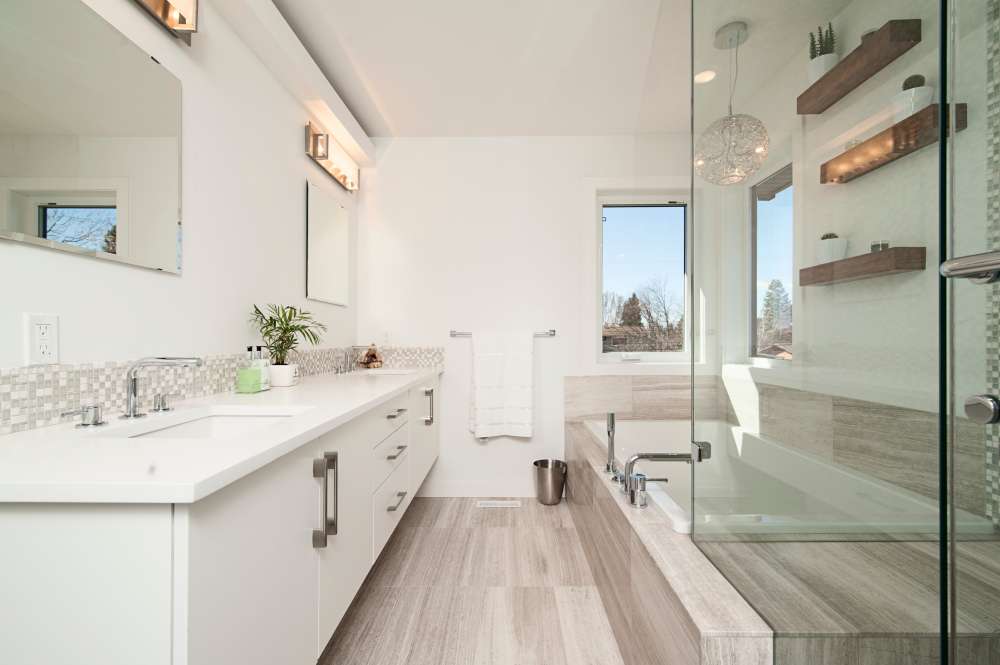
Which Bath Should You Choose? A Straight Decision Framework
Strip away the design magazines and Pinterest boards, and the decision usually comes down to three things: your bathroom size, your budget, and who’s using the bath.
Choose a freestanding bath if:
Your bathroom is 7m² or larger. You have budget for a mid-range tub ($1,500–$3,000) plus floor-mounted tapware ($800–$2,500). The bath is the focal point of the room — not an afterthought squeezed into a corner. Your floor is timber (cheaper plumbing) or you’ve budgeted for concrete slab modifications. You’re renovating a main bathroom or ensuite where visual impact matters.
Choose a built-in bath if:
Your bathroom is under 6m². You want a shower-over-bath configuration to save space. Budget is a priority and you’d rather spend the $2,000–$5,000 difference on better tiles, a custom vanity, or underfloor heating. The bath is a secondary fixture — functional, not the hero. You’re renovating a kids’ bathroom, family bathroom, or rental property.
Consider a back-to-wall bath if:
Your bathroom is 5–7m² — too small for a true freestanding bath but you want the standalone look. You want the front profile of a freestanding tub without the cleaning hassle behind it. Wall-mounted tapware suits your style (saves on floor-filler costs). You want a middle-ground option on both aesthetics and price.
“We’re installing more back-to-wall baths than ever. Clients love that they get the freestanding look from the front, but the wall side seals flush — no dust trap, no cleaning nightmare. For mid-sized Auckland bathrooms, it’s often the smartest call.”
— Alison Yu, Designer, Superior Renovations
Still not sure? That’s exactly what our design consultations are for. Bring your bathroom measurements, your Pinterest board, and your budget — and we’ll map it out for you. We have six bathroom displays at our showroom in Wairau Valley (16B Link Drive) where you can see and touch different bath types in realistic settings before committing to anything.
The best bath for your home is the one that fits the room, fits the budget, and still makes you happy to walk in every morning. Sometimes that’s a freestanding statement piece. Sometimes it’s a beautifully tiled built-in that just works. Either way, get it right and you’ll be glad you took the time to choose deliberately.
➡ Book your free in-home consultation with Superior Renovations
➡ Try our bathroom renovation cost calculator for an instant estimate
➡ Request a free feasibility report for your project
How much does a freestanding bath cost in NZ?
A mid-range freestanding acrylic bath costs $1,500–$3,000 in Auckland. Solid surface or stone resin models range from $3,000–$8,000+. Premium designer baths from NZ suppliers like Plumbline can exceed $10,000. Add $800–$2,500 for a floor-mounted bath filler. Total installed cost (including plumbing) typically runs $3,500–$8,000+ depending on your floor type and bathroom layout.
Is a freestanding bath worth it in a small bathroom?
Generally, no. Freestanding baths need at least 100–150mm clearance on all exposed sides for cleaning access, and the room needs to be roughly 7m² or larger for the bath to look properly placed. In bathrooms under 6m², a built-in or back-to-wall bath will look better, function better, and cost less. Forcing a freestanding bath into a tight space makes the room feel cramped and creates cleaning problems behind the tub.
What is a back-to-wall bath and is it a good middle ground?
A back-to-wall bath sits flush against one wall with the front and sides exposed — giving you the sculptural look of a freestanding bath without the gap behind it. It works in bathrooms from about 5m², uses standard wall-mounted tapware (saving $500–$1,500 over floor-mounted fillers), and eliminates the dust and grime that collects behind a fully freestanding tub. Mid-range models cost $1,500–$3,000 in NZ.
Do I need to change my plumbing for a freestanding bath?
Usually, yes. Freestanding baths need floor drainage and often a floor-mounted water supply for the bath filler. If your Auckland home has a timber subfloor, this is manageable — the plumber drops waste pipes through the framing. On a concrete slab (common in 1970s–80s homes), cutting into the slab adds $1,500–$3,000+ to the plumbing cost. You can reduce this by positioning the bath near an existing wet wall and using a wall-mounted filler instead.
Which bath type is easier to clean?
Built-in baths are easier to clean because the enclosed sides prevent dust and grime from accumulating. You only clean the inside of the tub and the tiled surround. Freestanding baths collect debris underneath and behind the tub, and clawfoot models require regular floor mopping beneath the legs. Back-to-wall baths are a compromise — the wall side stays sealed, but the exposed front still needs occasional attention.
Does removing a bathtub hurt my home's resale value in NZ?
Removing the only bathtub in your home can narrow your buyer pool, especially in family-oriented Auckland suburbs. Most real estate professionals recommend keeping at least one bath — either type — for broad market appeal. Families with young children particularly value having a functional bath. If you have multiple bathrooms, converting one to shower-only is less of an issue.
How much does a full bathroom renovation with a freestanding bath cost in Auckland?
Based on our recent Auckland projects, a mid-range bathroom renovation with a freestanding bath typically costs $32,000–$38,000. This includes full tiling, custom shower, vanity, toilet, freestanding tub, and tapware. A comparable renovation with a built-in bath runs $27,000–$32,000. The exact figure depends on tile selection, fixture brands, bathroom size, and whether plumbing needs to be moved. Use our bathroom renovation cost calculator for a personalised estimate.
Can I put a freestanding bath upstairs in a two-storey house?
Yes, but your builder should verify the floor structure can support the weight. A filled bath plus an adult weighs roughly 300–400kg. Modern NZ timber-framed upper floors are generally designed to handle this, but older homes or positions away from load-bearing walls may need additional support. This should be checked during the design phase — not after the bath is delivered.
What size bathroom do I need for a freestanding bath?
We recommend at least 7m² for a freestanding bath to look and function well. This allows adequate clearance around the tub for cleaning, visual breathing room, and space for your other fixtures (shower, vanity, toilet). In bathrooms between 5–7m², a back-to-wall bath gives a similar aesthetic with a smaller footprint. Under 5m², a built-in bath is the practical choice.
Should I choose a freestanding bath for a rental property?
Typically not. Built-in baths are more cost-effective, easier to maintain, and more practical for tenant use. A freestanding bath adds $2,000–$5,000 to installation costs without proportionate rental return. For rental properties, we recommend a mid-range built-in bath with a shower-over configuration — it covers the most use cases and keeps maintenance straightforward.
What tapware works with a freestanding bath?
Freestanding baths commonly pair with floor-mounted bath fillers ($800–$2,500 NZ), which create a dramatic standalone look. Wall-mounted fillers ($250–$800) are a more affordable option if the bath is positioned near a wall. Some freestanding baths have deck-mounted tap holes for rim-mounted mixers. Your plumber and designer can advise on which option suits your layout and budget — floor fillers look best but cost more and require additional plumbing through the floor.
Further Resources for your bathroom renovation
- Featured projects and Client stories to see specifications on some of the projects.
- Real client stories from Auckland
Need more information?
Take advantage of our FREE Complete Home Renovation Guide (48 pages), whether you’re already renovating or in the process of deciding to renovate, it’s not an easy process, this guide which includes a free 100+ point check list – will help you avoid costly mistakes.
Download Free Renovation Guide (PDF)
Still have questions unanswered?
Book a no-obligation consultation with the team at Superior Renovations,
we’d love to meet you to discuss your renovation ideas!
[contact-form-7]
Or call us on 0800 199 888

Have you been putting off getting renovations done?
We have partnered with Q Mastercard ® to provide you an 18 Month Interest-Free Payment Option, you can enjoy your new home now and stress less.
Learn More about Interest-Free Payment Options*
*Lending criteria, fees, terms and conditions apply. Mastercard is a registered trademark and the circles design is a trademark of Mastercard International Incorporated.
The post Freestanding Bath vs Built-In Bath: NZ Cost & Design Guide appeared first on Superior Renovations. #superiorrenovations
Comments
Post a Comment