How Much Does it Cost to Reroof in Auckland 2026? Superior Renovations
Originally posted on How Much Does it Cost to Reroof in Auckland 2026? Superior Renovations
Superior Renovations - Auckland’s Trusted Home Renovation Specialists
How Much Does It Cost to Reroof a House in Auckland? (2026 Price Guide)
Last updated: May 2026
Quick answer: A full reroof on a standard Auckland home costs between $10,000 and $45,000 in 2026, with most homeowners paying $15,000–$30,000 for Colorsteel longrun steel — the most popular option at $90–$180 per square metre installed, including removal and disposal of the old roof.
Your roof takes a hammering. Auckland’s salt-laden westerlies, UV through summer, driving rain through winter — and it all lands on the same surface, year after year. When that surface starts rusting, leaking, or shedding tiles into the garden, the question isn’t if you’ll need to reroof. It’s how much it’ll cost and what you’ll get for the money.
Residential construction prices rose just 0.1% in the September 2025 quarter according to Stats NZ — meaning 2026 is one of the more stable pricing windows Auckland homeowners have had in years. Material costs have plateaued after the sharp increases of 2022–2024. Labour rates are steady. If you’ve been sitting on a tired roof waiting for the right time, this is about as good as it gets.
We’ve put this guide together from current Auckland pricing, more than 1000 completed renovation projects across the region, and verified data from MBIE, WorkSafe NZ, and Colorsteel. Whether you’re replacing a 1970s concrete tile roof in Manurewa or stripping decramastic off a North Shore split-level, the numbers below will give you a realistic starting point before the quotes arrive.
Want a quick estimate right now? Try our free Reroofing Cost Calculator — it takes two minutes and gives you a ballpark based on your roof size and material choice.
What Does It Actually Cost to Reroof an Auckland Home in 2026?
The short version: most Auckland reroofing jobs land between $15,000 and $30,000 for a standard single-storey home of 120–200m². But “standard” does a lot of heavy lifting in that sentence. Your final price depends on what’s going up, what’s coming off, and what the roofer finds underneath once the old cladding is stripped.
Here’s what current Auckland pricing looks like by material, based on a typical residential reroof including removal, disposal, new underlay, flashings, and installation:
| Roofing Material | Cost per m² (Installed) | Total for 150m² Roof | Expected Lifespan |
|---|---|---|---|
| Colorsteel Longrun (most popular) | $90–$180 | $13,500–$27,000 | 40–60+ years |
| Corrugated Iron | $70–$140 | $10,500–$21,000 | 30–50 years |
| Metal Tiles (e.g. Decramastic replacement) | $100–$160 | $15,000–$24,000 | 30–50 years |
| Concrete Tiles | $120–$200 | $18,000–$30,000 | 50+ years |
| Clay Tiles | $160–$260 | $24,000–$39,000 | 75–100+ years |
| Membrane (Flat/Low-Pitch Roofs) | $180–$280 | $27,000–$42,000 | 20–30 years |
These numbers include GST and assume standard access — single-storey, simple gable or hip roof, no asbestos. Two-storey homes, steep pitches, and complex roof shapes push costs higher. We’ll get into the specifics shortly.
Where Most Auckland Homeowners Land
Colorsteel longrun steel accounts for the majority of residential reroofing work across Auckland. It’s lightweight (no framing upgrades), corrosion-resistant, fast to install, and comes with warranties of up to 50 years for roofing depending on the product grade. For a typical three-bedroom home with a 150–180m² roof, expect roughly $15,000–$28,000 all up.
That price typically covers removal and disposal of the old roof, new timber battens or purlins where needed, quality underlay, Colorsteel longrun sheets, new ridge capping and flashings, and gutter/spouting replacement if it’s due. It won’t include scaffolding for two-storey homes (add $2,000–$8,000) or structural repairs if the roofer finds rotten framing underneath.
💡 Quick tip: When comparing reroofing quotes, always check what’s included. Some quotes exclude scaffolding, gutter replacement, or disposal of old materials — which can add $3,000–$8,000 to the final bill. Ask for a fully itemised quote so you’re comparing apples with apples.
Real-World Auckland Pricing Examples
Numbers in a table are one thing. Here’s what reroofing actually costs on the kinds of homes we see every week across Auckland:
Three-bedroom weatherboard bungalow in Henderson (120m² gable roof, old concrete tiles to Colorsteel longrun): $14,000–$20,000. Simple roof shape, good access, single storey — the kind of job a roofing crew turns around in 3–5 working days in decent weather.
Four-bedroom two-storey in Botany Downs (200m² hip-and-valley roof, decramastic tiles to longrun): $25,000–$38,000. The two-storey access adds scaffolding costs, and hip-and-valley roofs have more flashings, more cuts, more waste. Add a week to the timeline.
Character villa in Grey Lynn (130m² roof, old corrugated iron to new corrugated iron with colour match): $16,000–$24,000. Character homes often have steeper pitches and decorative detailing around gables that add labour time. Worth it for the look, but it shows in the price.
“The most common mistake we see is homeowners budgeting for the roof alone and forgetting the extras — spouting, fascia boards, insulation upgrades. A reroof is the one time you’ve got the entire roof envelope exposed, so it makes sense to deal with everything at once rather than paying for scaffolding twice.”
— Dorothy Li, Design Manager, Superior Renovations
Roofing Materials Compared: Which One Suits Your Auckland Home?
Material choice isn’t just about upfront cost. The cheapest roof to install isn’t always the cheapest roof to own — especially in Auckland’s climate, where salt air, humidity, and UV all accelerate wear. Here’s how the main options stack up.
Colorsteel Longrun Steel — The Auckland Standard
If you’re reroofing in Auckland and you don’t have a specific reason to use something else, Colorsteel longrun is the default choice. It’s lightweight (so no structural framing upgrades), corrosion-resistant, fast to install, and backed by manufacturer warranties of up to 50 years for roofing applications.
The product range changed in 2024. NZ Steel now offers Colorsteel MAXAM™ — a single product replacing both the previous Endura and Maxx lines. MAXAM uses patented ACTIVATE® technology: an aluminium-zinc-magnesium (AM) metallic coating that delivers stronger corrosion resistance across most NZ environments, from inland suburbs like Henderson and Mt Roskill through to coastal Devonport and Beachlands.
For homes within 500 metres of the coast — Mission Bay, Takapuna, Milford, anywhere along the Hibiscus Coast — that corrosion protection matters. Salt spray attacks fasteners, cut edges, and flashings faster than most homeowners realise. The right product choice here is the difference between a 30-year roof and a 50-year roof.
For very severe coastal exposure — homes directly fronting the water on the eastern beaches or exposed North Shore points — Colorsteel also offers ALTIMATE®, an upgraded product designed for the harshest NZ environments. It costs more, but for the wrong site, MAXAM on its own may not be enough.
Cost: $90–$180 per m² installed, depending on the profile (tray vs corrugated vs standing seam), the product grade (MAXAM vs ALTIMATE), and roof complexity.
💡 Quick tip: Ask your roofer which Colorsteel product they’re quoting — MAXAM is the new default; ALTIMATE for very exposed coastal sites; Zincalume for sheltered inland environments where corrosion risk is lowest. The cheapest option isn’t always the smartest one 500 metres from the water.
Corrugated Iron — The Classic Kiwi Look
Corrugated iron has been on New Zealand roofs for over a century. The name’s a bit misleading these days — it hasn’t been actual iron since the mid-1900s. Modern corrugated roofing is pressed from Colorsteel or Zincalume and offers solid performance at a slightly lower price point than tray or standing seam profiles.
It’s a natural fit for character villas and bungalows across Grey Lynn, Ponsonby, Mt Eden, and Devonport — where the look matters as much as the function. Corrugated profiles also suit simple gable roofs well, with fewer flashings and less waste than tray profiles on the same roof shape.
Cost: $70–$140 per m² installed. The lower end of that range covers basic Zincalume in a simple profile. Colorsteel with a colour finish and quality underlay sits mid to upper.
Concrete and Clay Tiles — Heavy, Durable, and Not for Every Home
Tile roofs are common across Auckland — especially on homes built from the 1960s through to the 1990s. If you’re replacing tiles with tiles, concrete runs $120–$200/m² and clay sits at $160–$260/m². Clay tiles can last a century or more. Concrete is slightly less — 50+ years with good maintenance.
The catch is weight. Concrete and clay tiles are significantly heavier than metal, which means your roof framing needs to handle the load. If you’re switching from tiles to longrun steel, you’ll actually reduce the load on your structure. Going the other way — from metal to tiles — usually requires structural engineering and framing upgrades, adding $3,000–$10,000 to the project.
Tile roofs also take longer to install. Where a longrun metal reroof on a simple home might take 3–5 days, a tile reroof on the same home could take 7–10.
One thing we see often in suburbs like Epsom and Remuera: homeowners who love the look of tiles but want the performance of metal. Metal tile profiles (stone-coated steel like Decra or AHI) give you that tile appearance at $100–$160/m² — lighter, faster to install, and no structural upgrades needed.
Membrane Roofing — For Flat and Low-Pitch Roofs
Flat roofs and low-pitch roofs (under about 8 degrees) can’t use standard longrun or tile — water won’t shed properly. Membrane roofing is the solution, but it’s the most expensive option per square metre at $180–$280/m² installed.
Membrane systems come in several types — butyl rubber, TPO, PVC, and liquid-applied. Each has its strengths depending on whether you need to walk on the roof (a deck, for instance), deal with ponding water, or accommodate penetrations for plumbing vents.
We see a lot of flat-roof sections on 1970s and 1980s homes across West Auckland and the North Shore — often a flat garage roof connecting to a pitched main roof. These are the areas where leaks tend to show up first, and where a well-installed membrane system pays for itself quickly.
“Material choice has to start with site conditions and the home itself — not just what looks good in photos. A Titirangi home surrounded by bush is a completely different conversation than an Albany ridgeline exposed to coastal wind. The material has to fit the environment, not just the brief.”
— Neil, Project Manager, Superior Renovations
💡 Quick tip: If you’re switching from one material type to another (e.g. tiles to longrun), check with your roofer about structural implications. Changing material weight can affect your framing requirements and may change whether you need building consent.
What Drives the Final Price of Your Auckland Reroof?
You’ve picked your material. You’ve got a rough per-m² number in your head. But the quote that arrives might look different from what you expected — and understanding why saves you from sticker shock.
Roof Size, Pitch, and Complexity
Roof size is the single biggest cost driver — a 200m² roof costs roughly twice what a 100m² roof does for the same material. That part’s straightforward. What catches people off guard is pitch and complexity.
A simple gable roof with two flat planes is the cheapest to reroof. Add hips, valleys, dormers, skylights, or chimney flashings and both material waste and labour time increase. Steep pitches above 30 degrees require safety harnesses and extra staging, which can push labour costs 30–80% higher than a standard low-pitch job.
Auckland’s hilly terrain adds another layer. Homes in Titirangi, the Waitākere Ranges, parts of the North Shore, and steep sections across Hillsborough or Mt Eden can be genuinely difficult to access with scaffolding and materials. That difficulty shows up in the quote.
Scaffolding and Access
Scaffolding for an Auckland reroof typically runs $2,000–$8,000. Single-storey homes with flat sites are at the low end. Two-storey homes, steep sites, or properties with narrow driveways where materials can’t be craned directly to the roof sit at the top.
Scaffolding isn’t optional — it’s a legal safety requirement under NZ law. Always check whether it’s included in your reroofing quote or priced separately.
Removal and Disposal of Old Roofing
Every reroof starts with stripping the old roof. Removal and disposal of standard roofing materials (metal, concrete tiles, or decramastic) typically adds $15–$40/m² to the project. For a 150m² roof, that’s $2,250–$6,000 just for getting the old stuff off and to the tip.
If your old roof has multiple layers — yes, we’ve seen homes in Auckland with two or three layers of roofing stacked on top of each other — the removal cost goes up, and your roofer may find structural issues that were hidden by the outer layer.
Asbestos — The Hidden Cost in Pre-1980s Auckland Homes
This one’s serious. Many Auckland roofs installed before the mid-1980s contain asbestos — particularly pressed metal tiles, bitumen-based products, and some textured cladding sheets. Asbestos was widely used in NZ construction until it was banned from import in 2016 (with most use phasing out much earlier).
According to WorkSafe New Zealand, asbestos-containing materials must be identified and removed only by licensed asbestos removalists when the material is being disturbed. That adds both cost and compliance requirements to your reroof.
Testing and safe removal of asbestos roofing in Auckland adds $3,000–$15,000 to the project, depending on roof size and the condition of the material. The cost varies because some asbestos-containing products are relatively straightforward to remove intact, while others are friable (crumbling) and require full containment procedures.
If your home was built before 1985, get the roof tested before you commit to a quote. Any reputable roofer will recommend this — and we include it as standard in our free site assessments.
💡 Quick tip: Don’t try to identify asbestos yourself. Visual inspection alone isn’t reliable — many asbestos-containing tiles look identical to safe ones. A professional test costs $100–$300 and gives you certainty before work starts. It’s the cheapest insurance you’ll buy on the whole project.
Timber Repairs and Rot
The most common budget blowout on any reroof is what’s hiding underneath the old roof. Once the cladding comes off, rotten purlins, damaged battens, or deteriorated sarking can add $2,000–$10,000+ to the project.
This is especially common on older Auckland homes where minor leaks have been going undetected for years. Water tracking along a batten or sitting against a purlin doesn’t take long to cause structural damage — and you won’t know about it until the roof is stripped.
Good roofers build a contingency allowance into their quotes for exactly this situation. Ask about it upfront so you’re not blindsided mid-project.
Spouting, Fascia, and Insulation Upgrades
A reroof is the perfect time to deal with everything attached to your roof envelope. Replacing spouting and downpipes adds $1,500–$5,000. New fascia boards run $2,000–$6,000 depending on the length and material. And if your home’s ceiling insulation is below the current NZ Building Code minimum (R-values have increased over time), adding or upgrading insulation while the roof is open is significantly cheaper than doing it separately later.
EECA recommends a minimum of R3.3 for ceiling insulation in Auckland, with R4.0+ delivering better energy performance. If your home was built before the mid-2000s, there’s a good chance the existing insulation is below current standards — or missing entirely in some areas.
Do You Need Building Consent to Reroof in New Zealand?
This is one of the most common questions we get — and the answer isn’t a clean yes or no. It depends on what you’re doing and the condition of the roof being replaced.
When You Don’t Need Consent
Under Schedule 1 of the Building Act 2004, a like-for-like roof replacement on a roof that’s more than 15 years old generally does not require building consent. This is covered by Exemption 1, which allows repair, maintenance, and replacement of building elements using comparable materials — provided the original installation has met its Building Code durability requirements (Clause B2 requires a minimum 15-year durability for roofing).
MBIE has clarified that normal reroofing work on roofs older than 15 years — where the roof has simply reached the end of its serviceable life — does not need consent, even if you’re switching from one material to another (e.g. concrete tiles to longrun steel).
That said, the work still needs to comply with the Building Code. Even exempt work must be done properly.
When You Do Need Consent
You’ll need building consent if:
The roof being replaced is less than 15 years old and has failed to meet the Building Code’s durability requirements — for instance, a roof installed 12 years ago that’s already leaking due to a defect. That’s a durability failure, not normal wear, and consent is required.
You’re making structural changes — adding skylights, changing the roof pitch, modifying the roof structure, or adding a new roof area as part of an extension.
The work involves significant changes to the building envelope that go beyond a straightforward reclad — for example, adding new ventilation systems, substantially upgrading insulation, or altering drainage.
Auckland Council consent fees for reroofing work are typically $500–$2,000, with processing times of 2–6 weeks depending on the scope. If structural engineering is required (e.g. for material changes that affect roof load), add $1,500–$4,000 for the engineer’s report and calculations.
At Superior Renovations, when a reroof needs consent as part of a wider project, we handle the application in-house — so you’re not coordinating between a designer, a roofer, and the council yourself.
💡 Quick tip: Even if your reroof doesn’t require building consent, it’s smart to notify Auckland Council and provide documentation (photos, specs, contractor details) so your property file is updated. This avoids questions from future buyers or their solicitors when you come to sell.
Who Should Do the Work?
Reroofing is not classified as restricted building work under the Building Act, which means it doesn’t legally require a Licensed Building Practitioner (LBP). But that doesn’t mean you should hire just anyone. A qualified, experienced roofing specialist with trade references, public liability insurance, and a track record of Auckland residential work is worth every dollar of the premium over a cheap quote off a marketplace site.
If things go wrong with a roof — and we’ve seen enough botched reroofing jobs across Auckland to know this happens — the cost to fix it is almost always more than the cost to do it right the first time. Consumer NZ recommends checking trade references, confirming insurance, and asking for a written scope of work before any reroofing project.
How to Get the Best Value From Your Reroofing Project
Reroofing isn’t cheap. But it doesn’t need to cost more than it should, either. Here’s how Auckland homeowners can get the best result for the money — without cutting corners that come back to bite.
Get Three Quotes With Site Visits
Online estimates and phone quotes aren’t worth much for roofing. Every reputable roofer will want to see your roof in person before quoting — to measure it, check the pitch, assess access, and look for potential issues like asbestos or structural damage. If someone quotes you over the phone without seeing the roof, that’s a red flag.
Get at least three written quotes. Make sure each one is itemised so you can see exactly what’s included and what’s extra. Compare the scope, not just the number at the bottom.
Time Your Reroof for Better Rates
Roofers in Auckland are busiest in spring and early summer — that’s when everyone decides their roof needs replacing. Booking your reroof for autumn or winter (March–August) often gets you better rates and faster scheduling.
Metal roofing can be installed in most weather conditions except heavy rain. A good roofer will work around Auckland’s wet days and still complete the job efficiently. The key is proper temporary weatherproofing between work days — and any experienced crew will have that sorted.
Bundle the Work
If your spouting, fascia, or insulation needs attention, doing it at the same time as the reroof saves money. The scaffolding is already up. The roof is already exposed. The crew is already on site. Paying for separate mobilisation and scaffolding to deal with each item individually costs significantly more than bundling it all into one project.
This is also the ideal time to install a ventilation system, add roof-mounted solar panel brackets, or upgrade your insulation to current NZ standards. Schedule 1 of the Building Act was updated in October 2025 to make roof-mounted solar panel installation exempt from building consent on residential buildings — which makes it simpler to add solar during a reroof.
Build in a Contingency
Set aside 10–15% above your quoted price as a contingency for unexpected costs. Rotten timber, hidden asbestos, or additional flashing work that wasn’t visible before strip-out are all common on Auckland reroofing jobs. If you don’t need the contingency, it goes back in your pocket. If you do need it, you’re not scrambling mid-project.
Think Lifetime Cost, Not Just Upfront Cost
A Colorsteel longrun roof at $20,000 that lasts 50 years costs you $400 a year. An asphalt roof at $10,000 that lasts 20 years costs you $500 a year — plus you’ll need to reroof again in two decades. The cheapest roof to install is rarely the cheapest roof to own.
Factor in maintenance, too. Metal roofing needs almost nothing beyond an occasional wash. Tile roofs can crack, grow moss, and need individual tile replacements. Membrane roofs need periodic inspection and recoating. These ongoing costs add up over the life of the roof.
A roof is a system, not a surface. The cladding, the underlay, the flashings, the spouting, and the insulation underneath all work together — and the weakest link defines how long the whole thing lasts. Upgrade one element and ignore the rest, and you’re putting new tyres on a car with worn brakes.
💡 Quick tip: If budget is tight, prioritise the roof cladding and underlay — those are the waterproofing layer. Spouting and fascia can often wait a season if they’re still functional. But don’t defer insulation upgrades if the roof is already open — you won’t get a cheaper opportunity.
When Reroofing Is Part of a Bigger Renovation
A reroof often makes most sense as part of a wider project. If you’re extending your home, recladding, or doing a full home renovation in Auckland, coordinating the roof work with the rest of the build keeps costs down and avoids duplicated scaffolding, consent applications, and site management.
That’s where a full-service renovation team earns its keep. At Superior Renovations, our in-house Design Studio and project managers handle the design-to-build coordination so a reroof, recladding, kitchen extension, and bathroom upgrade can all run on a single schedule with a single team. No chasing five different trades, no scaffold going up and coming down three times.
And if cashflow’s a concern: we offer 18-month interest-free finance via Q Mastercard on renovation projects, which can take some of the heat out of bundling a reroof with other planned work. Lending criteria, fees, terms and conditions apply.
For homes under heritage or character-area rules — common in Grey Lynn, Ponsonby, Mt Eden, and parts of the inner east — material and colour choices often need to align with the home’s existing language. Our designers help work through those conversations. For the wider renovation context, see our guides to villa renovation Auckland and bungalow renovation Auckland.
Signs Your Auckland Roof Needs Replacing — Not Just Repairing
Not every roof problem needs a full replacement. A localised leak, a few loose screws, or a patch of surface rust can often be repaired for a fraction of the cost. But when the damage is widespread, repair becomes a false economy.
It’s time for a full reroof when you’re seeing:
Widespread rust or corrosion — not just a spot here and there, but across multiple sheets or large areas of the roof surface. Once corrosion gets through the coating, the steel underneath deteriorates fast.
Multiple leaks in different areas — a single leak is a repair job. Three or four leaks in different locations means the roof system is failing, not just one point.
Visible sagging in the roofline — this suggests structural timber damage underneath, which means the roof cladding can’t be saved regardless.
Crumbling or shedding decramastic tiles — those stone-chip-coated tiles from the 1970s and 80s have a finite life. When the chips start shedding and the base metal is exposed, they’re done.
Your roof is 30+ years old and you’re spending increasing amounts on repairs — at some point the accumulated repair costs exceed what a new roof would have cost. Track your spending and make the call before you’ve thrown good money after bad.
Interior ceiling stains, peeling paint, or mould on walls near the roofline — these are signs water is getting past the roof cladding and into your home’s structure. The longer this goes on, the more expensive the structural repairs become.
If you’re not sure whether you need a repair or a replacement, book a free consultation and we’ll give you an honest assessment. We’d rather tell you a repair will do the job than sell you a reroof you don’t need.
Your Next Steps
A new roof is one of the best investments you can make in your Auckland home. It protects everything underneath — your framing, your insulation, your wiring, your interiors — and it’s one of the first things buyers and valuers look at. Whether you’re dealing with a tired 40-year-old concrete tile roof in Pakuranga or a rusting longrun roof on a hillside in Titirangi, the right time to deal with it is before the damage spreads.
Get a realistic estimate with our free reroofing cost calculator, then talk to us about your specific situation. Every roof is different — and a 20-minute site visit tells us more than any online calculator ever could.
➡ Book your free in-home consultation with Superior Renovations
➡ Try our free reroofing cost calculator for your Auckland home
➡ Request a free feasibility report for your project
How much does it cost to reroof a house in Auckland in 2026?
Most Auckland reroofing jobs cost between $15,000 and $30,000 for a standard single-storey home of 120–200m². Colorsteel longrun steel — the most popular material — runs $90–$180 per m² installed, including removal, underlay, flashings, and installation. Two-storey homes, complex roof shapes, and premium materials like clay tiles push costs to $35,000–$45,000+.
What is the cheapest roofing material in NZ?
Corrugated iron (Zincalume or basic Colorsteel) is the cheapest at $70–$140 per m² installed. Asphalt shingles are occasionally cheaper upfront but are uncommon in NZ and have a shorter lifespan of 15–20 years. For long-term value, Colorsteel longrun at $90–$180/m² with a 40–60 year lifespan is the most cost-effective choice over the life of the roof.
Do I need building consent to reroof in NZ?
Not usually. Under Schedule 1 of the Building Act 2004, replacing a roof that is more than 15 years old with comparable or different materials is generally exempt from building consent — even if you change from tiles to metal. You will need consent if the roof is under 15 years old and has failed its Building Code durability requirements, or if you are making structural changes like adding skylights or altering the roof pitch.
How long does a reroof take in Auckland?
A straightforward single-storey metal reroof typically takes 3–5 working days in good weather. Two-storey homes or complex roof shapes with hips, valleys, and dormers take 5–10 working days. Tile reroofs take longer — 7–14 days depending on the size. Auckland's weather can add delays, particularly during winter, but experienced roofers plan around wet days.
What is the best roofing material for Auckland homes?
Colorsteel longrun steel is the most popular and recommended option for Auckland homes. It is lightweight, durable (40–60+ year lifespan), corrosion-resistant, low maintenance, and backed by manufacturer warranties of up to 50 years. For coastal Auckland properties, Colorsteel MAXAM (with ACTIVATE technology) is the standard choice. For very severe coastal exposure right on the water, Colorsteel ALTIMATE is the upgrade option.
How much does scaffolding cost for a reroof in Auckland?
Scaffolding for an Auckland reroof typically costs $2,000–$5,000 for a standard home, rising to $5,000–$8,000 for two-storey properties, steep sites, or homes with difficult access. Scaffolding is a mandatory safety requirement under NZ law — it is not optional. Always check whether it is included in your reroofing quote or priced separately.
Does my old roof contain asbestos?
Possibly, if your home was built before the mid-1980s. Asbestos was widely used in NZ roofing — particularly in pressed metal tiles and bitumen-based products. Visual identification alone is not reliable. A professional asbestos test costs $100–$300 and gives you certainty. If asbestos is found, licensed removalists must handle the material, adding $3,000–$15,000 to the project depending on the roof size.
Can I reroof over existing roofing material?
In some cases, yes — but it is generally not recommended. Layering new roofing over old adds weight, traps moisture, and hides damage to the timber structure underneath. Most professional roofers in Auckland will strip the old roof completely so they can inspect and repair the framing, purlins, and underlay before installing the new roof. This costs more upfront but delivers a far better result.
Should I replace my spouting at the same time as reroofing?
Yes, if your spouting is more than 15–20 years old or showing signs of rust, sagging, or leaking at the joins. Replacing spouting during a reroof saves money because the scaffolding is already up and the gutterline is fully accessible. Budget $1,500–$5,000 for new spouting and downpipes on a standard Auckland home.
Is it cheaper to reroof in winter in Auckland?
It can be. Roofers tend to be busiest in spring and early summer, so booking for autumn or winter (March–August) may get you better rates and faster scheduling. Metal roofing can be installed in most weather conditions except heavy rain. A good roofer will plan around wet days and use temporary weatherproofing between work sessions.
How much does it cost to go from tiles to metal roofing?
Switching from concrete or clay tiles to Colorsteel longrun typically costs $15,000–$30,000 for a standard Auckland home. The tile removal and disposal adds cost compared to stripping old metal, and your roofer may need to adjust or replace some battens to suit the new material. The upside: you will reduce your roof weight significantly, which is better for your structure long-term.
Will a new roof increase my Auckland property value?
Yes. A new roof is one of the first things buyers and valuers assess. It signals the home is well-maintained and removes a major future cost from the buyer's list. While exact ROI depends on the property and market conditions, a new Colorsteel roof on an Auckland home almost always pays for itself in added sale price and faster time to sell — particularly on older homes where a tired roof raises red flags during building inspections.
How long should a roof last in Auckland's climate?
Roof lifespan in Auckland depends heavily on the material and the site. Colorsteel longrun typically lasts 40–60+ years; concrete tiles 50+ years; clay tiles 75–100+ years; corrugated iron 30–50 years; decramastic tiles 30–50 years; membrane roofs 20–30 years. Auckland's salt air shortens these ranges for coastal homes within 500 metres of the water — which is why product choice (MAXAM vs ALTIMATE) and good maintenance matter so much in coastal suburbs.
Further Resources for Your Reroofing Project
- Featured projects and Client stories to see specifications on some of the projects.
- Real client stories from Auckland
Need more information?
Take advantage of our FREE Complete Home Renovation Guide (48 pages), whether you’re already renovating or in the process of deciding to renovate, it’s not an easy process, this guide which includes a free 100+ point check list – will help you avoid costly mistakes.
Download Free Renovation Guide (PDF)
Still have questions unanswered?
Book a no-obligation consultation with the team at Superior Renovations,
we’d love to meet you to discuss your renovation ideas!
[contact-form-7]
Or call us on 0800 199 888
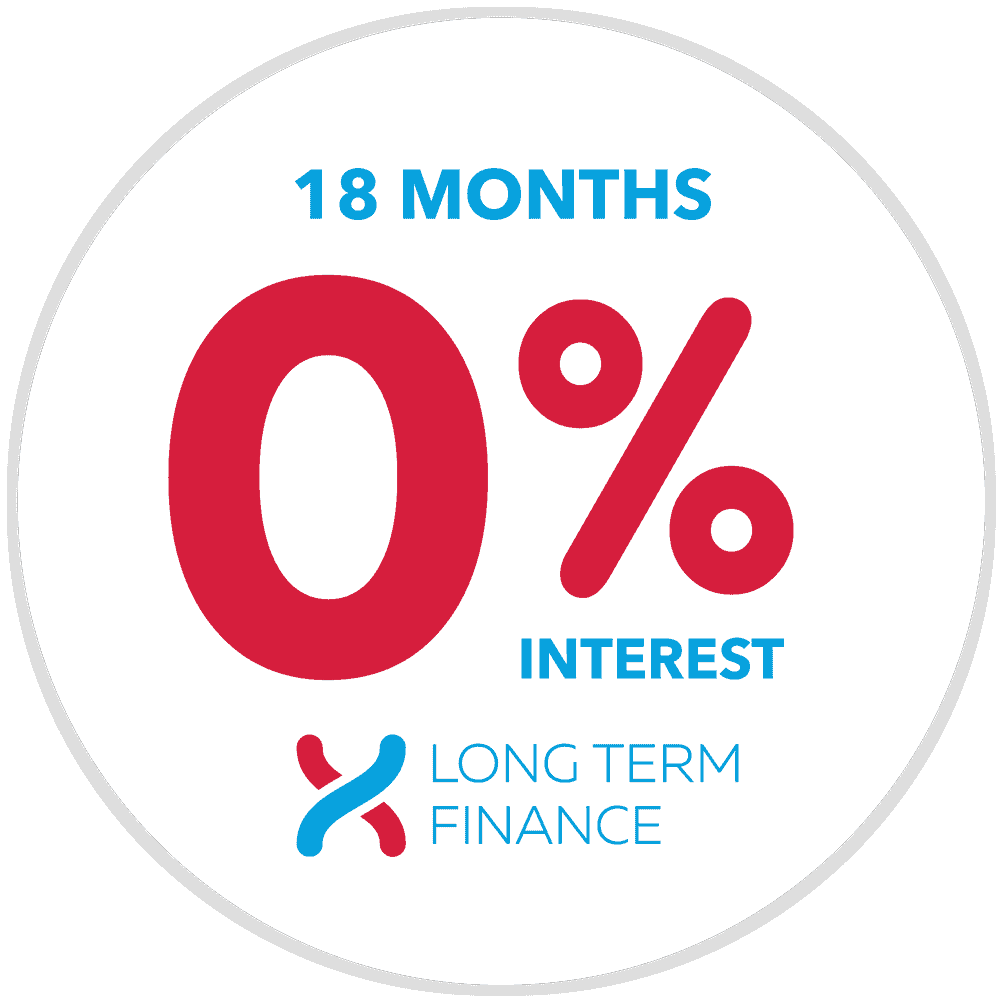
Have you been putting off getting renovations done?
We have partnered with Q Mastercard ® to provide you an 18 Month Interest-Free Payment Option, you can enjoy your new home now and stress less.
Learn More about Interest-Free Payment Options*
*Lending criteria, fees, terms and conditions apply. Mastercard is a registered trademark and the circles design is a trademark of Mastercard International Incorporated.
The post How Much Does it Cost to Reroof in Auckland 2026? Superior Renovations appeared first on Superior Renovations. #superiorrenovations


Comments
Post a Comment